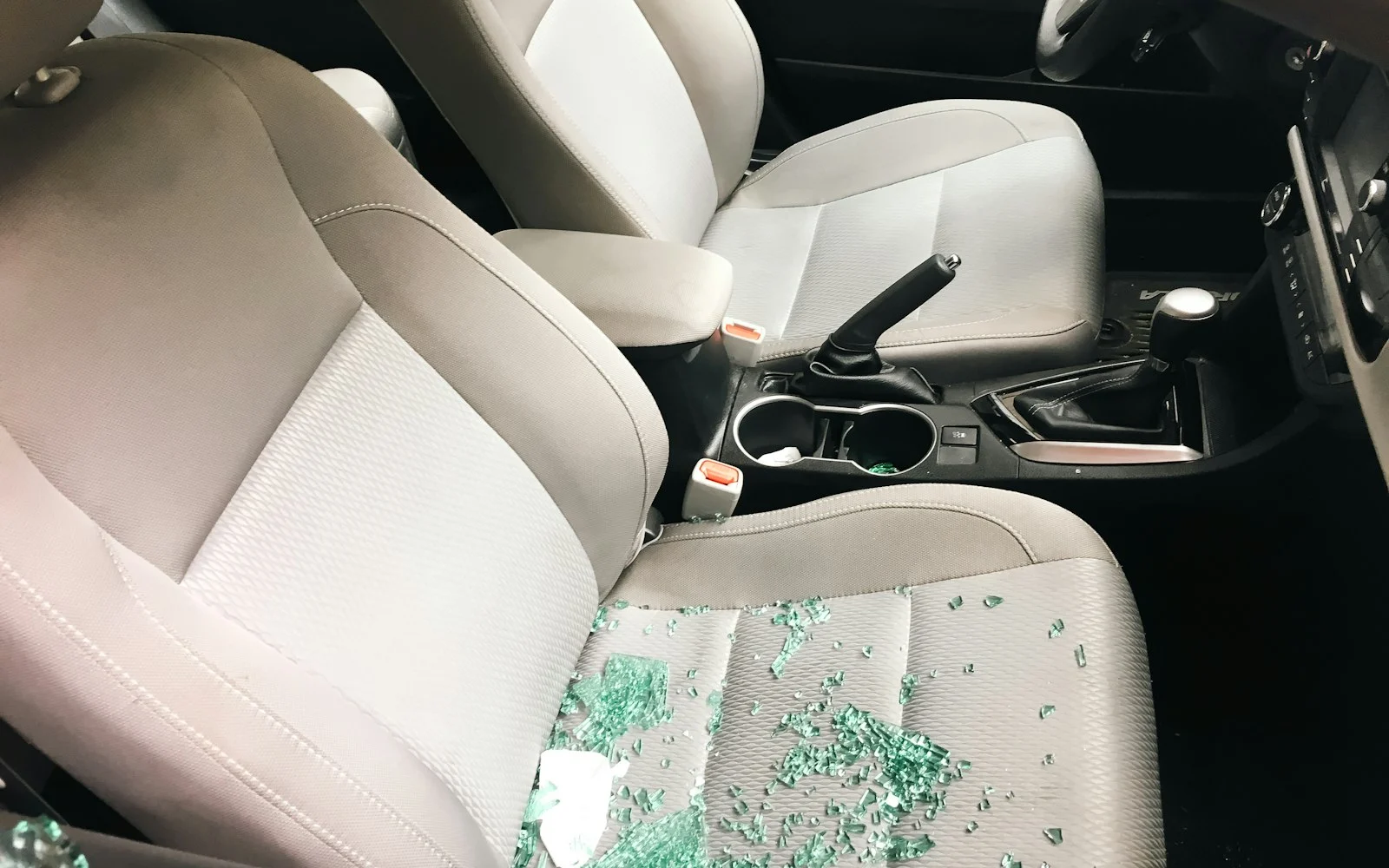
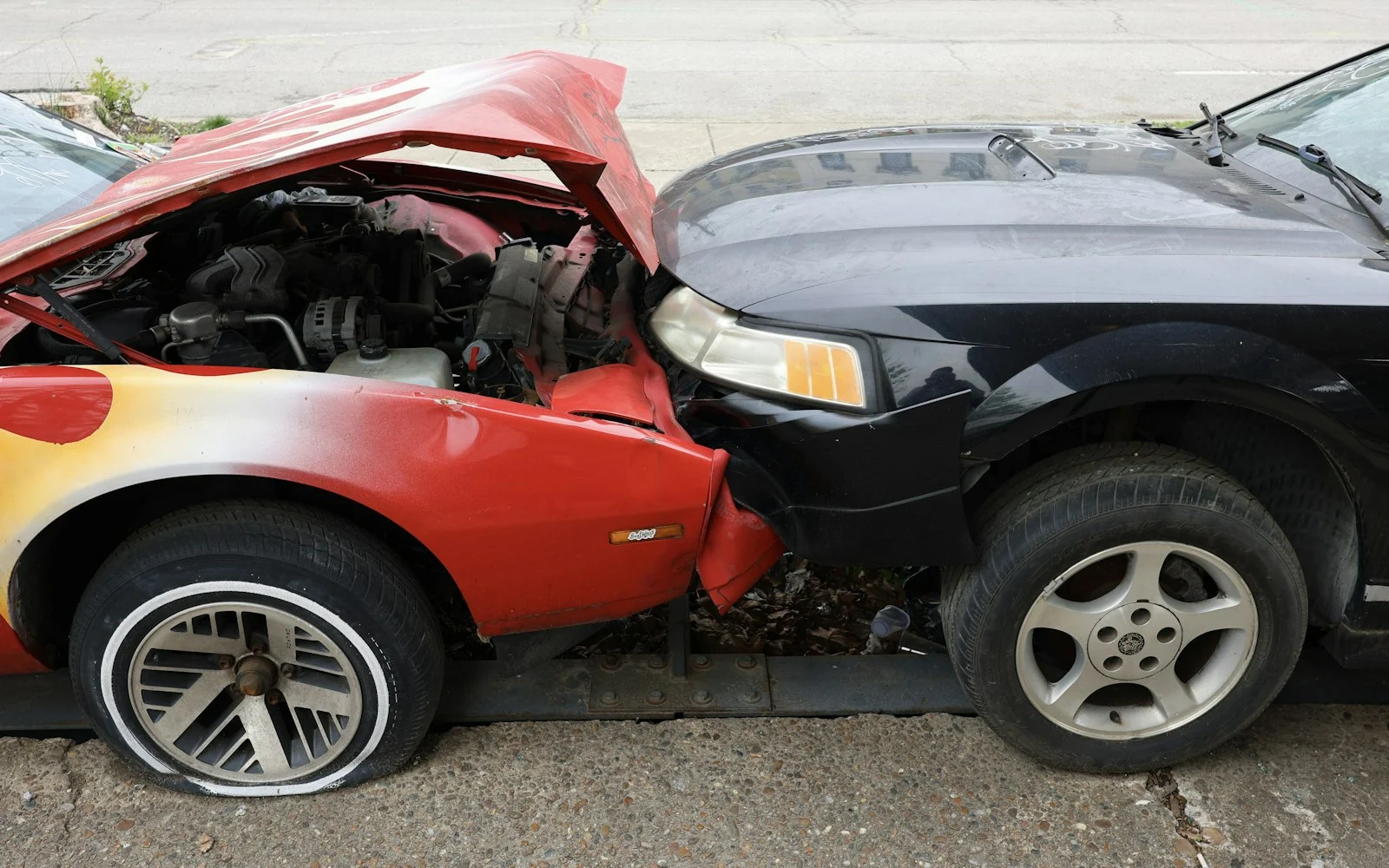
People who move here from Florida or Michigan sometimes expect their own insurance to pay for their injuries after a wreck, no matter who caused it. That’s how no-fault states work. Texas isn’t one of them.
Texas works on fault (lawyers call it a tort state), so whoever caused the wreck answers for it, and in real life that means the at-fault driver’s liability policy ends up paying for the other car and the other folks’ doctor bills until the limits that driver bought run dry.
There’s one piece of a Texas auto policy that behaves a little like no-fault coverage, though. And after a crash you’ll have a couple of choices that affect how quickly your car gets fixed and your bills get paid.
What does at-fault mean in Texas?
Picture a red light on Kuykendahl at five on a Friday, with everybody half looking at a phone. If you roll into the back of the SUV ahead of you, its new bumper and that driver’s visits to the chiropractor for a sore neck go on your liability coverage, because you’re the one who hit them. Now swap seats: a guy in a pickup sails through a stop sign out on Hufsmith-Kohrville and T-bones you, and his insurer is the one on the hook for your car and your doctor.
That’s why Texas requires every driver to carry liability insurance, at least 30/60/25. Our post on minimum car insurance requirements in Texas explains what those numbers cover and why they can fall short after a serious crash.
How is fault decided after a car accident in Texas?
Insurance adjusters piece it together from the crash report, statements from both drivers, witness accounts, photos, where the cars were damaged and the traffic laws that apply. The officer’s report is often the starting point. It’s the CR-3, the Texas Peace Officer’s Crash Report, and once it’s filed you can usually buy a copy through TxDOT’s online crash report system.
Blame gets split, too, and it rarely lands 100% on one side. The legal name for how Texas does this is proportionate responsibility, and the way we put it across the desk is that whatever slice of fault gets pinned on you comes off what you collect, right up until your slice goes past half, and at that point the other driver’s company stops owing you a dime.
Round numbers, all made up. You’re doing a little over the limit on FM 2920 when a driver turns left across your lane, and between the car and the ER visit you’re out $10,000. The adjuster looks at it and decides the other driver was 70% at fault and you were 30%. You’d generally collect $7,000 from their liability coverage. Now flip it slightly, 51% you and 49% them, and their insurer owes you nothing, so you’d be leaning on your own coverage.
Should I file with my insurance or the other driver’s?
You usually get to pick, and each route has its trade-offs.
A third-party claim goes against the other driver’s liability coverage. You don’t pay a deductible. But their insurer investigates and decides, on its own schedule, whether its driver was at fault and how much it owes. If it disputes fault or drags its feet, you wait.
A first-party claim goes through your own collision coverage, if you carry it. It’s usually faster, since you’re dealing with your own company. You pay your deductible up front, then your insurer can go after the other company to get its money back. If that works, you may get your deductible back too. Our guide to choosing an auto insurance deductible in Texas covers how deductibles fit into decisions like this one.
Our advice here is pretty plain. When the other driver obviously caused it and their company actually calls you back, let them pay and keep your deductible in your pocket. It’s when things turn murky that we nudge people the other way (the other driver suddenly remembers his light being green, say, or his adjuster hasn’t returned a call in two weeks while you pay for a rental out of pocket), because a claim on your own collision coverage is often the quickest way back into a car.
Who pays my medical bills if I’m hurt in a Texas wreck?
This is the bit of a Texas policy that acts something like no-fault coverage. It goes by personal injury protection (PIP), and it rides along on your auto policy automatically unless somebody signed a form turning it down. If you and whoever’s riding with you get hurt, PIP chips in on the medical bills and part of the paycheck you lose while you’re laid up, and it does that without waiting around for the adjusters to settle who caused it. The state sets the floor at $2,500 a person.
Beyond PIP, your health insurance can cover treatment, and you can make a claim against the at-fault driver’s liability coverage for the rest. If you’re seriously hurt, or the other side is disputing fault on an injury claim, a personal injury attorney can tell you where you stand.
What if the driver who hit you has no insurance?
Then you’re leaning on uninsured/underinsured motorist coverage, which everybody shortens to UM/UIM. Texas handles it the same way it handles PIP, so it’s sitting on your policy unless you turned it down on paper at some point. The UM side steps in for the driver who carried nothing at all, and the UIM side is for the one who had a policy with limits too thin for the damage (a bare 30/60/25 policy against a few nights at the hospital, say). Your car falls under uninsured motorist property damage, or UMPD, which in Texas typically comes with a $250 deductible, and a hit-and-run driver who’s never found is often treated as uninsured for your injuries.
If you rejected UM/UIM but carry collision, collision can still fix your car, minus your deductible. If you have neither, you’re left trying to collect from the other driver personally, which often goes nowhere.
How long do you have to file a claim after an accident in Texas?
There are two different clocks.
The first is your policy. Auto policies require prompt notice of an accident, so report it to your insurer quickly even if you think the other driver will pay. Waiting can make the claim harder.
The other clock belongs to the courthouse. For most injury and property damage suits that come out of a wreck, Texas allows two years, and settlement talks have a way of dragging along until that date sneaks up, so if you’re still going back and forth with an adjuster eighteen months in, that’s the time to sit down with an attorney. Our auto insurance page shows the coverages that come into play, and the Texas Department of Insurance auto FAQ answers more questions about claims.
Frequently asked questions
A few more that come up after fender-benders around here.
What if the crash was partly my fault?
You can still collect, as long as your share is 50% or less. Whatever percentage gets pinned on you comes off the top, so at 20% at fault you’d generally get 80% of your damages from the other driver’s insurer.
Does the at-fault driver’s insurance pay for my rental car?
Generally, once it accepts liability, the other driver’s insurer will pay for a reasonable rental or loss of use while your car is being repaired. Until then, rental reimbursement on your own policy, if you have it, can bridge the gap.
Does fault matter for a deer or hail claim?
Not in the same way. Animal strikes, hail and falling limbs are generally handled under comprehensive coverage, which isn’t tied to fault like a crash with another car. Our post on hitting a deer in Texas explains how those claims work.
What if I disagree with the other insurer’s fault decision?
Send them whatever supports your side: photos, witness names and phone numbers, the crash report. You can also ask your own insurer about handling the claim through your collision coverage. If you have a complaint about how a company handled a claim, the TDI Help Line is 800-252-3439.
Do I have to call the police after a minor accident in Texas?
Texas law requires you to notify police when a crash injures or kills someone or leaves a vehicle unable to be driven safely. Even when that doesn’t apply, a police report can make the fault question much easier to settle later.
Not sure how your policy would handle a crash?
Call Reid & Associates at (281) 716-5814, drop by 703 Malone St. in Tomball, or send us a note. We’ll show you what’s on your policy and what you rejected, if anything.
This article is general information, not legal advice or a statement of coverage; your policy’s terms, limits, deductibles and exclusions control, and coverage availability varies.