“I’ve got a $500 deductible.”
People say that like it’s one number stamped on the whole policy. It usually isn’t. Most Texas auto policies have a deductible for collision and a separate one for comprehensive, and they don’t have to match. Liability coverage, the part that pays for damage you cause to others, doesn’t have a deductible for you at all.
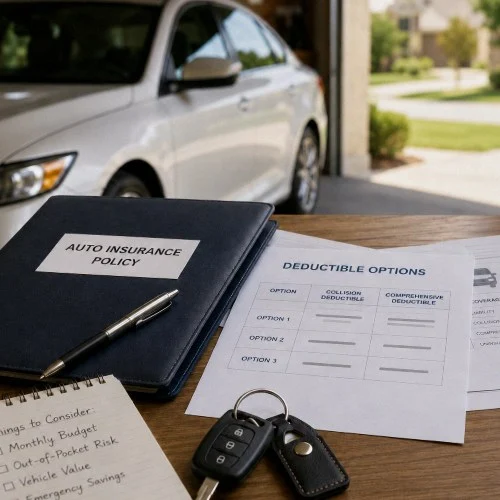
If you’re thinking about going from $500 to $1,000 to lower your bill, first check which deductible you’d be changing. After that you really only need two numbers: how much the higher deductible saves you over a year, and how much cash you could hand a body shop next week without it causing a problem.
What does an auto insurance deductible actually mean?
It’s the slice of a covered claim you pay before the insurance company pays the rest.
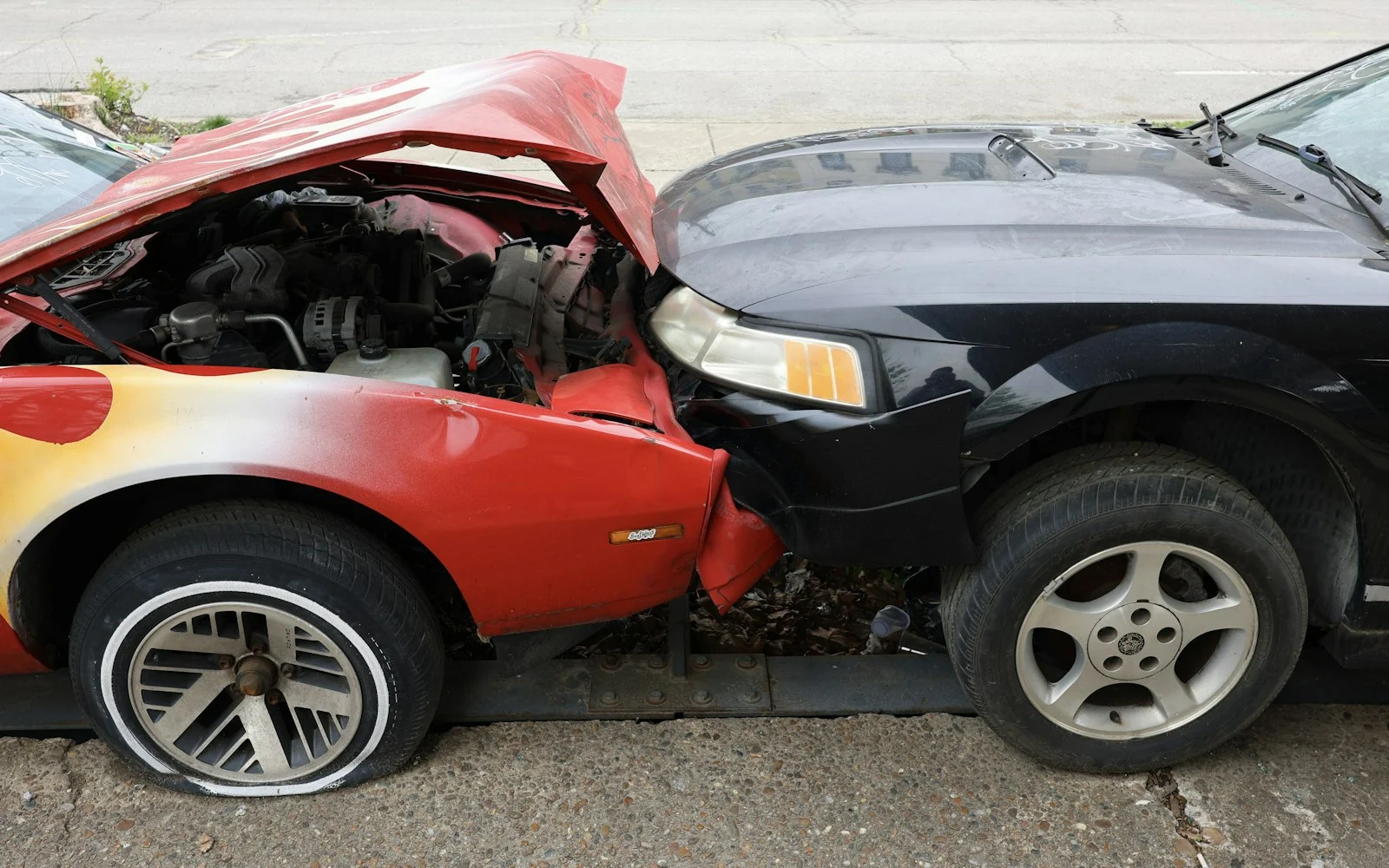
Say you back into a light pole in a parking lot off FM 2920 and the repair comes to $4,000. With a $500 collision deductible, the insurer’s share would be $3,500. With a $1,000 deductible, it would be $3,000. Same accident, same car, $500 more out of your pocket.
That assumes the damage is covered and the estimate holds up, of course. The policy and the adjuster’s evaluation decide the final number. But the basic math really is that simple.
Collision vs. comprehensive: which deductible are you choosing?
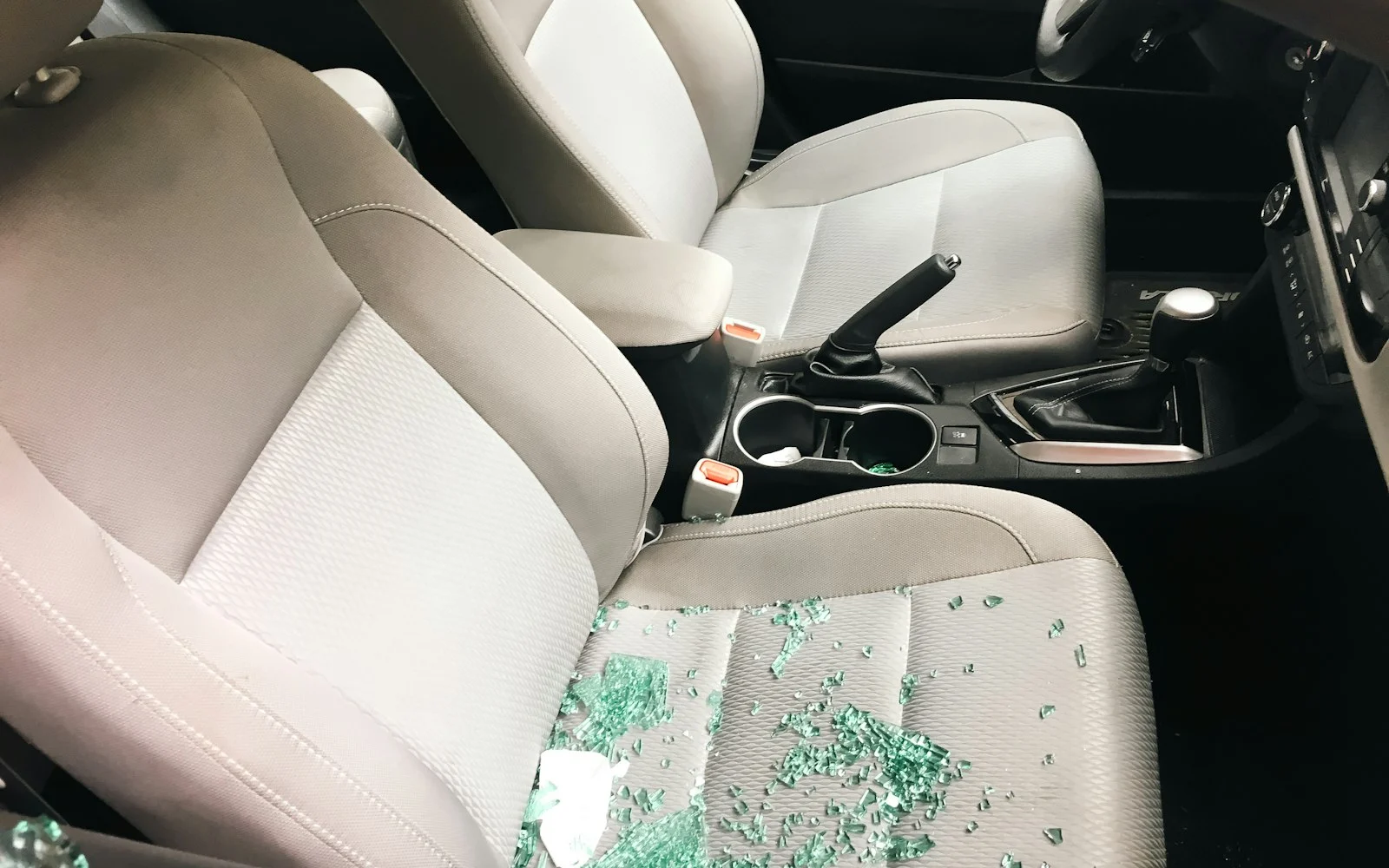
Collision covers damage to your car when it hits something or something hits it, like another vehicle, a guardrail or a pole. Comprehensive (some policies call it “other than collision”) handles the rest: theft, vandalism, fire, flood, falling limbs, animals and hail.
Hail is why comprehensive deserves its own look around here. Northwest Harris County gets hit often enough that plenty of Tomball drivers have filed a hail claim or know somebody who has, and after a big storm the body shops fill up for weeks. We walk through how storm damage works on the home side in what homeowners insurance covers after a Texas storm, but on your car, hail is a comprehensive claim with a comprehensive deductible.
It’s all on your declarations page. Pull it up. Memory is a lousy source for this stuff, especially if you bought the policy three cars ago.
Is a $500 or $1,000 deductible better?
Neither one wins automatically. A lower deductible means you keep less risk. A higher one means you keep more, and in exchange the premium for collision or comprehensive usually drops.
The mistake is looking only at the premium.
Here’s a purely made-up example. Say raising your collision deductible from $500 to $1,000 saves $150 a year. You’ve taken on $500 of extra risk to save $150, which means it takes a little over three claim-free years for the savings to cover one extra deductible. Plenty of careful drivers would take that deal.
Now say the same change saves only $35 a year. That’s more than 14 years of savings to make up one claim. Hard to justify.
Same deductibles, very different decisions. The only way to know which situation you’re in is to see the actual price difference.
How much would you really save with a higher deductible?
This is the number most drivers never ask for. They hear “higher deductible, lower premium” and assume the savings must be big. Sometimes they are. Sometimes they’re pocket change.
When someone asks us about this, we price the same policy two or three times and change nothing except the deductible. The drivers, cars and limits stay the same. Then we look at the yearly difference instead of the monthly one. Six dollars a month sounds like nothing, but it’s $72 a year, and you’d be taking on $500 more risk to get it. Collision and comprehensive should be checked separately because they don’t always move the same way.
Could you pay the deductible tomorrow?
Picture it. Your car’s sitting in a shop off Tomball Parkway with a crumpled fender, you’re juggling a rental, calls with an adjuster and getting the kids to school. Now the shop wants your deductible before they release the car.
Be honest with yourself here. If coming up with $1,000 means running up a credit card or paying the mortgage late, whatever you saved on premium wasn’t worth it. Got a savings cushion that wouldn’t even notice? Then the higher number is on the table.
Picking a deductible is partly an insurance decision and partly a cash-flow decision. People forget the second part.
And if either deductible is easy for you to cover? Then it’s just math. Compare the extra risk with the savings. There’s no rule that says someone with healthy savings should take the highest deductible offered. If the discount is small, keeping the lower deductible is perfectly reasonable.
What happens if repairs cost less than your deductible?
You pay for them yourself.
With a $1,000 deductible and $750 of covered damage, collision or comprehensive coverage generally pays nothing for that repair. Lots of small dings and scrapes fall in that range, which is one reason people with higher deductibles end up paying for minor repairs out of pocket and never filing a claim at all.
Do you pay a deductible when another driver causes the accident?
Not necessarily. Texas is an at-fault state, so if the other driver is responsible and you file a claim against their liability insurance, your own collision deductible doesn’t come into it.
Things change if you use your own collision coverage instead, which people sometimes do when the other insurer is slow or disputes fault. Then your deductible applies. Your insurer may later try to recover what it paid from the at-fault driver’s company, and if that works, you may get your deductible back. Whether and when that happens depends on how the recovery goes. Texas allows two years to file a lawsuit over property damage or injuries from a crash, but most of these get settled between insurers long before that.
Does the value of your car matter?
Quite a bit. A $1,000 deductible on a 2023 SUV worth $40,000 is a small slice of a possible loss. On a 2011 sedan worth $4,000, it’s a quarter of the car.
With an older, paid-off vehicle, the bigger question might be whether to keep collision and comprehensive at all. That depends on what the coverage costs each year, what the car’s worth, the deductible you’d have to absorb anyway and whether you could replace the car yourself. There’s no magic age when you should drop it. If the car is financed or leased, though, the lender almost certainly requires both coverages, and may cap how high your deductible can go.
Should you raise your deductible because your premium went up?
Not right away. It’s tempting when the renewal comes in higher than last year, because the deductible is the easiest thing to change. But a higher deductible can save you a little now and cost you a lot more later if you have a claim.
Also look closely at any cheaper quote. Sometimes a quote that’s $200 lower has lower liability limits, leaves off a driver or drops rental coverage, and none of that has anything to do with the deductible. Compare quotes where the deductible is the only difference. You can also ask us which discounts and options apply to you before you decide to take on more risk.
Five questions to ask before you pick a deductible
Picture a driver in Rosehill with a paid-off 2016 Camry worth around $11,000 and about $2,500 in savings. Her declarations page shows $500 on collision and $500 on comprehensive. Going to $1,000 on collision would save her $45 a year, and nothing else in the quote changes. She could pay the extra $500 if she had to, but it would take her more than ten years to make it back, so she keeps the $500 deductible. If the same change had saved $170 a year, she’d probably switch.
That’s really the whole process: what you have now, what the change saves per year, whether you could pay it tomorrow, what the car is worth, and whether anything else in the quote moved.
Frequently asked questions
Can I change my deductible later?
Usually, yes. Deductibles can often be changed mid-policy or at renewal, so it makes sense to revisit yours when you pay off the car, build up savings or replace the vehicle.
Does a lower deductible mean I’ll file more claims?
Not necessarily, but people with low deductibles tend to file for smaller repairs. Each insurer has its own rules for how claims affect rates, so a small claim isn’t always worth filing even when it’s covered.
Is there a deductible on uninsured motorist coverage in Texas?
Uninsured motorist property damage coverage can carry its own deductible, separate from collision. Check your declarations page or ask us to look.
Do I need collision coverage in Texas?
The state only requires liability coverage of at least 30/60/25. Collision and comprehensive are optional unless a lender or leasing company requires them.
Want to compare deductibles side by side?
We’d be glad to price your policy at different deductibles so you can see the real difference. Call Reid & Associates at (281) 716-5814, stop in at 703 Malone St. in Tomball or reach out online. You can also read more about coverage options on our auto insurance page.
This is general information, not a statement of coverage or a personal recommendation. Coverage, deductibles, limits and premiums depend on your policy, insurer, vehicle and circumstances, and the policy language controls.