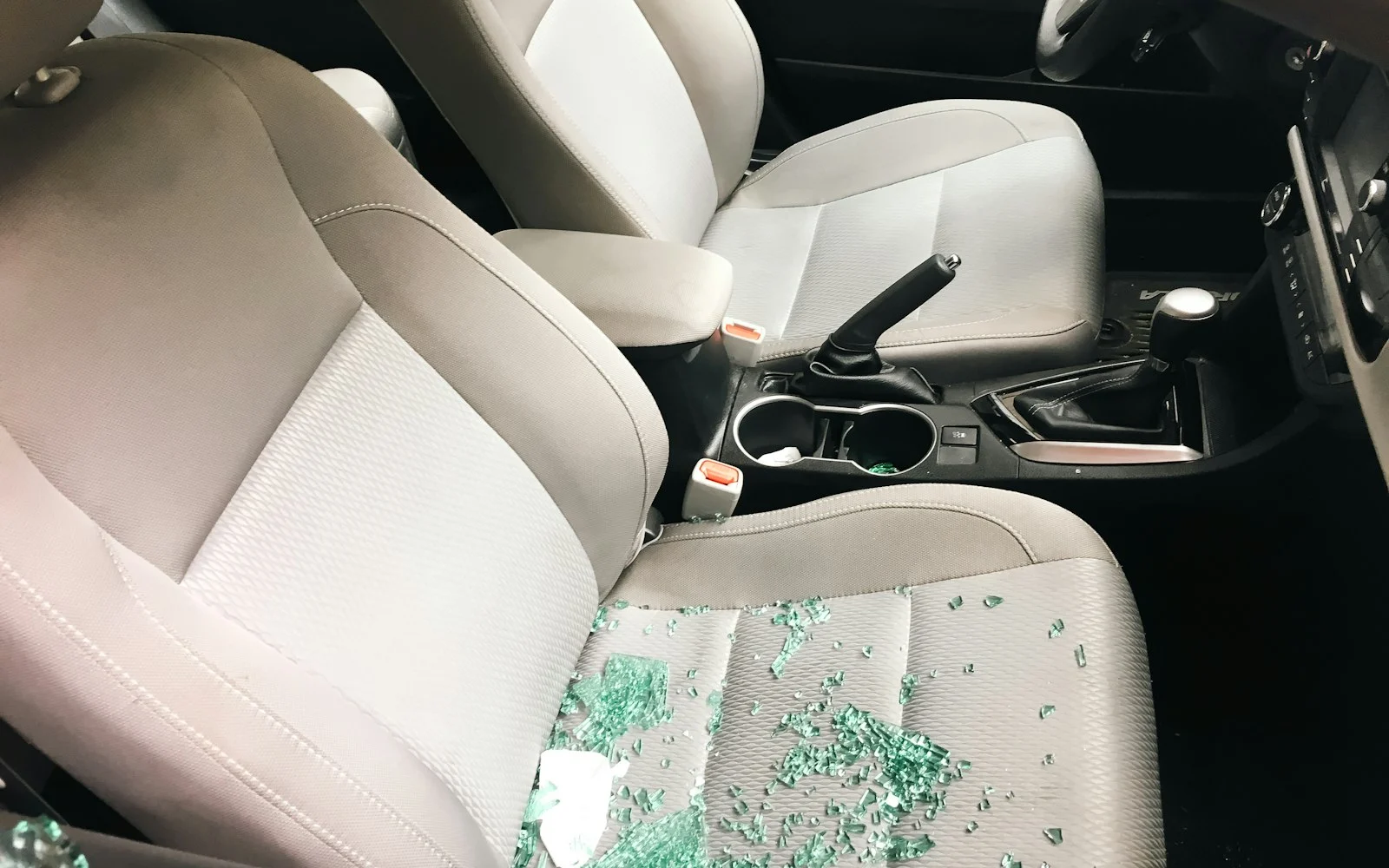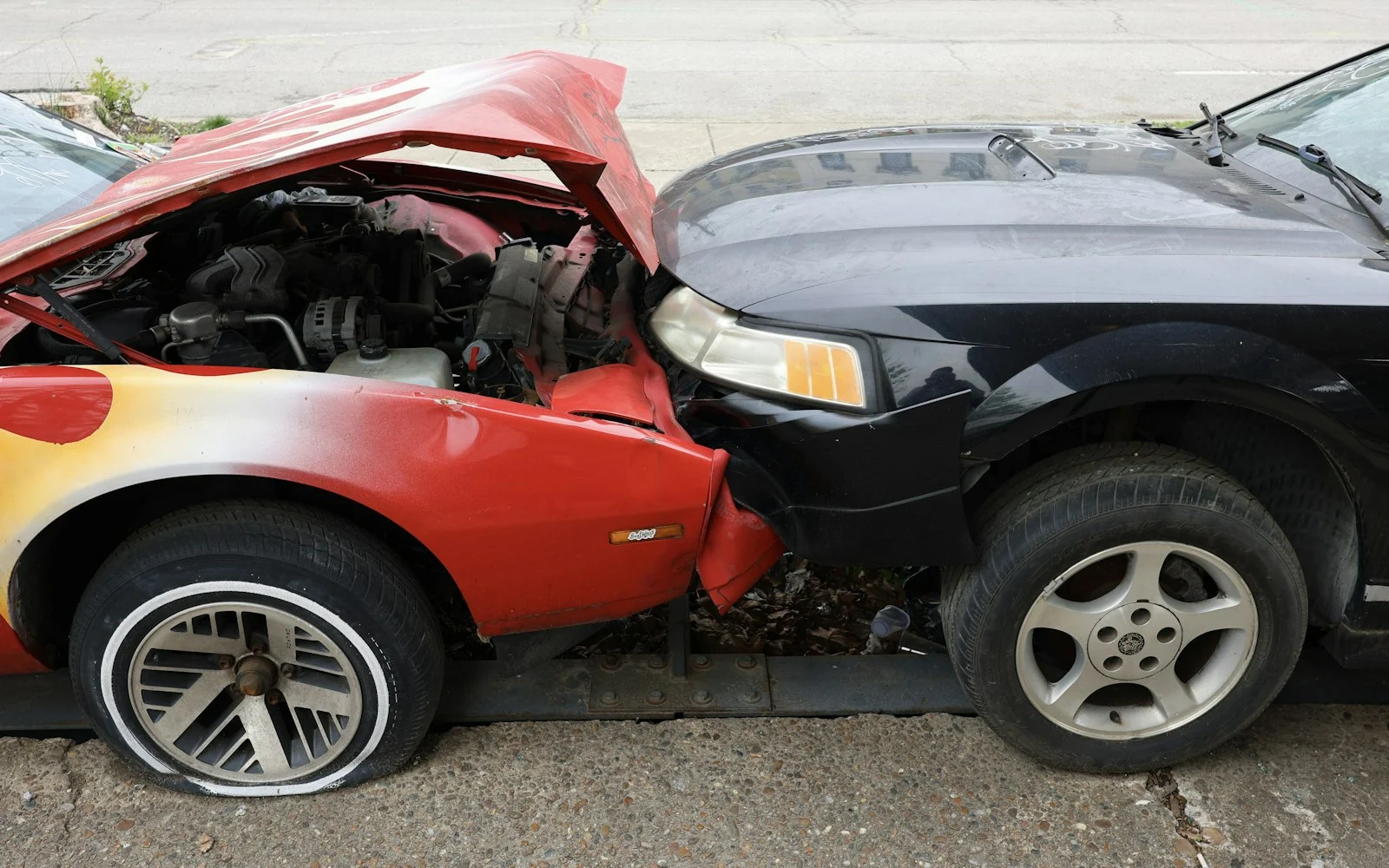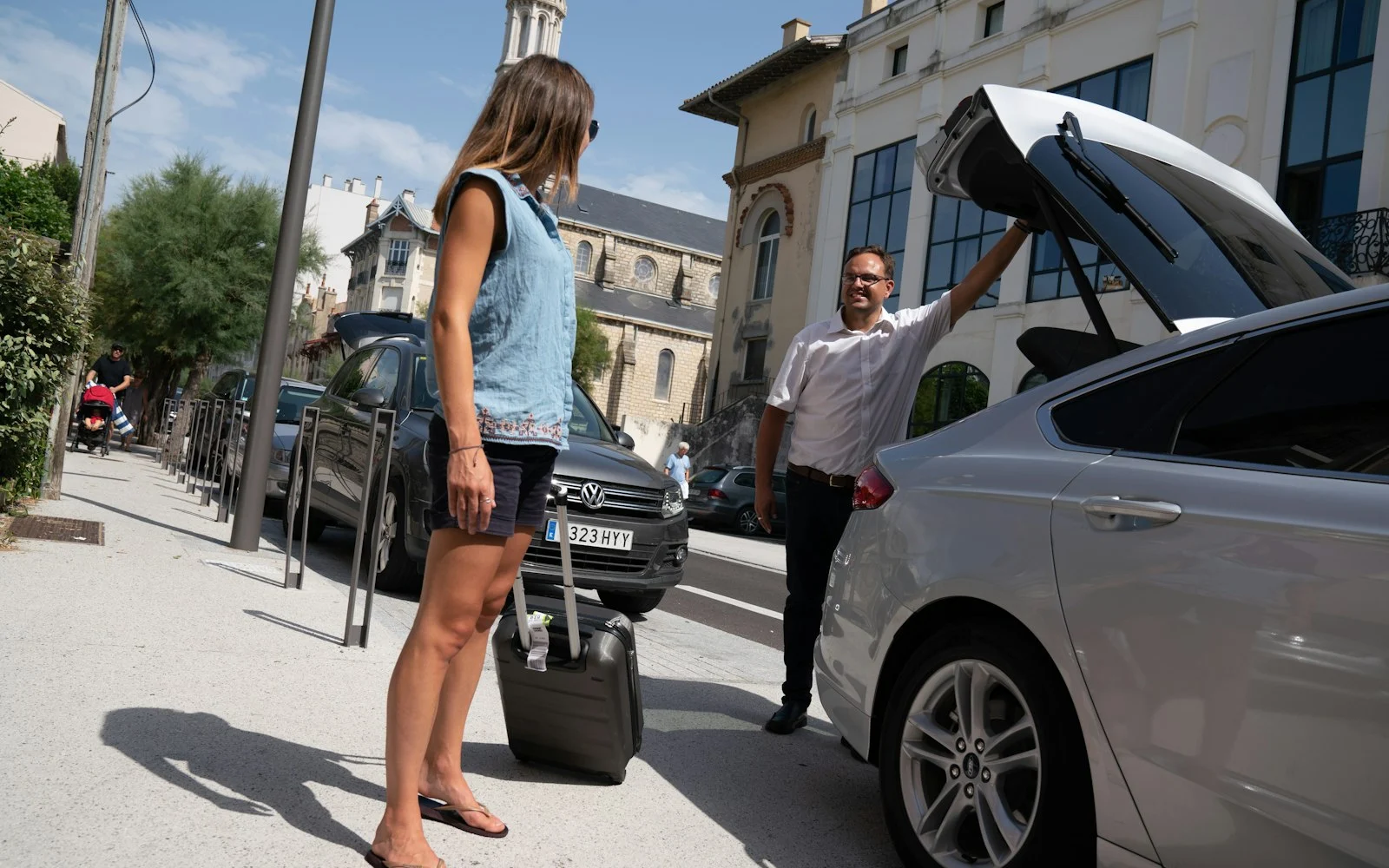
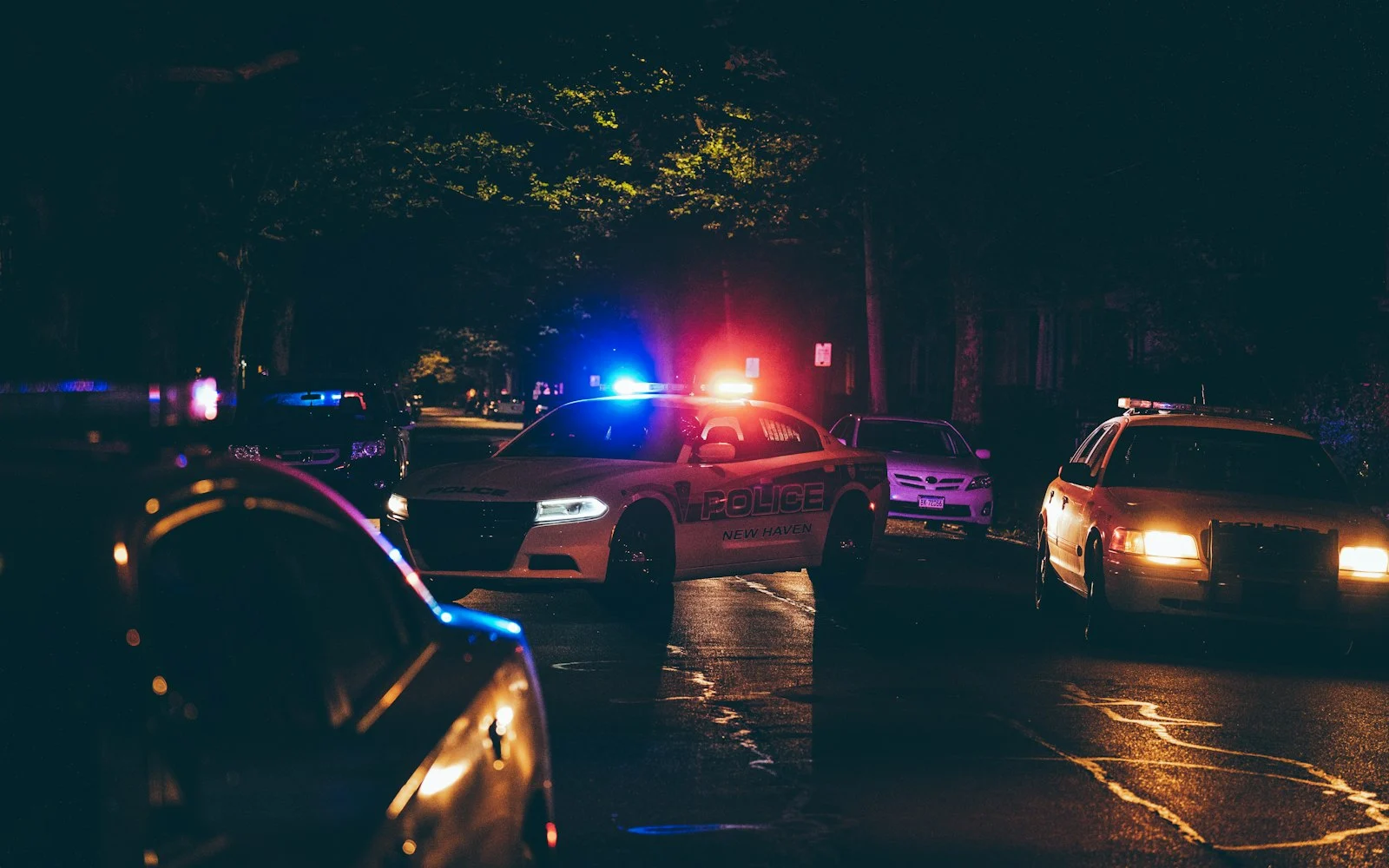
When nobody’s hurt and both cars will still roll, the first job is getting them out of the travel lanes. People tend to freeze and leave the cars exactly where they stopped, sometimes because they think the police need to see them that way, but Texas law expects drivers in a minor crash to move out of the way when it’s safe to.
At the light where FM 2920 meets Tomball Parkway, a fender bender at 5:30 on a Thursday will back traffic up for blocks if both cars stay in the lane, and it leaves two drivers standing in the road trading insurance cards while everyone behind them looks at their phones. Pull onto the shoulder, into a side street or into the nearest parking lot and turn on your flashers before you deal with anything else.
Here’s the rest, roughly in order.
What should you do at the scene of a car accident in Texas?
- Stop. Texas law requires drivers involved in a crash to stop, even for a dent, and leaving the scene can lead to criminal charges.
- Check everyone for injuries and call 911 if anyone’s hurt. You’re also required to give reasonable help to anyone injured, which includes arranging a ride to medical care if they clearly need it or ask for it.
- If no one’s injured and the cars can be driven safely, move them out of the travel lanes.
- Trade information with the other driver: name, address, vehicle registration number and the name of their insurance company. Show your driver’s license if they ask. A quick photo of their insurance card and license plate saves a lot of scribbling on the back of a receipt.
- Call police if someone’s hurt or a car can’t be driven safely. Even when it isn’t required, a report gives you an independent record.
- Take photos of both cars, the damage, the road, any skid marks, the traffic signals and the other driver’s plate, and get names and phone numbers from witnesses who stuck around.
Who responds to a car accident in Tomball?
It depends on where you are. Inside city limits, the Tomball Police Department handles it. Out in the unincorporated parts of northwest Harris County, it’s usually the Harris County Sheriff’s Office or a county constable. Head north toward Magnolia and Pinehurst and you’re in Montgomery County, with its own sheriff and constables.
You don’t have to sort that out on the spot. Call 911 and the dispatcher routes it.
What should you say, and not say, after a wreck?
Be polite, check on the other driver and stick to facts. What you shouldn’t do is argue about fault in the street, or announce that it was all your fault before you know what really happened. You may not have seen everything, like a driver who was looking at a phone or a light that had already changed.
Fault matters here. Texas is an at-fault state, and under its proportionate responsibility rules, you can’t recover damages if you’re more than 50% responsible, and whatever you do recover shrinks by your share of the blame. We go deeper on how fault works after a Texas car accident in a separate post. Let the officers and adjusters work through it.
“Can we just keep insurance out of this? I’ll pay you cash.” You’ll hear some version of that after plenty of fender benders, sometimes from a driver who already has a ticket or two. The problem is what’s behind the bumper cover. On a newer RAV4, a cracked cover can hide a crushed reinforcement bar and a radar bracket that has to be recalibrated, and the estimate comes back at a number neither of you would have guessed in the parking lot. That tends to be when the person offering $300 stops returning texts.
How do you get a crash report in Texas?
If a police officer investigated, they’ll write up a Texas Peace Officer’s Crash Report, known as a CR-3. Once it’s filed, you can usually buy a copy through TxDOT’s online crash report system by searching with details like the date and location of the crash, a driver’s name or the report number. Ask the officer for that number before you leave the scene, and write it down somewhere other than the back of your hand.
Insurers lean on the report to understand what happened, so read it once you get it. If something’s wrong, like a misspelled name or the wrong street, contact the agency that wrote it.
When should you call your insurance company?
We’d call from the tow yard if that’s where you are, the same afternoon. Policies require prompt notice of an accident, and the adjuster wants photos, witness names and the other driver’s insurance details while they’re still sharp, before anyone has had a weekend to remember the light differently. Make the call even if you’re certain the other driver ran the red; they may be just as certain they didn’t.
From there you usually have two paths. You can file against the other driver’s liability coverage, or you can use your own collision coverage and let your insurer pursue the other company. Say, hypothetically, your repair runs $5,000 and your collision deductible is $1,000. Your insurer pays $4,000 so the shop can get started. If it recovers from the other driver’s insurer later, you may get your $1,000 back. Our guide to choosing an auto insurance deductible shows how that number plays into claims like this one.
Texas generally allows two years to file a lawsuit for injuries or property damage from a crash. If you’re thinking about legal action, talk with an attorney well before that deadline.
Should you see a doctor if you feel fine?
We’d go, and within a day or two. The adrenaline from a crash masks a lot, and whiplash or a mild concussion often doesn’t announce itself until you wake up stiff the next morning. An urgent care or primary care visit soon after the wreck also puts a note in your medical record connecting the injury to the crash, and that record carries weight if you end up making an injury claim.
Your PIP coverage can help with those bills regardless of who caused the wreck, unless you rejected it in writing. Our post on PIP in Texas explains what it pays.
What if the other driver doesn’t have insurance?
That’s what uninsured/underinsured motorist coverage is for. In Texas it’s part of your policy unless you rejected it in writing. It can help pay for your injuries, and for your car’s damage if you carry the property damage portion, when the at-fault driver has no insurance or not nearly enough.
Hit-and-run? Call police right away and write down everything you remember about the other vehicle while it’s fresh: color, make, partial plate, which way it went.
Frequently asked questions
Do I have to report a minor accident to police in Texas?
You’re required to notify police after a crash that injures or kills someone or leaves a vehicle that can’t be driven safely. For a small scrape with no injuries, it isn’t required, but a report can still help your claim.
What if the other driver won’t give me their information?
Don’t argue with them. Note their plate number, the car’s make, model and color and a description of the driver, then call police. Texas law requires drivers to exchange information after a crash.
Does the at-fault driver’s insurance pay for my rental car?
Once their insurer accepts liability, its property damage coverage generally pays for a comparable rental for a reasonable repair period. The trouble is the days before that decision, or a case where the other driver has no insurance at all, and that’s where rental reimbursement on your own policy comes in.
How long does a car accident claim take?
A simple repair claim might wrap up in a few weeks. Injury claims, disputed fault and body shop backlogs after a big hailstorm can stretch things to months.
Questions after a wreck?
Call Reid & Associates at (281) 716-5814 and we’ll help you figure out the next step, or stop by 703 Malone St. in Tomball, weekdays from 8 to 5. You can also contact us online or read more about our auto insurance options.
This article is general information, not legal advice or a statement of coverage. Your policy’s terms, limits, deductibles and exclusions control, and availability varies.