
You land after a Thanksgiving flight out of Bush Intercontinental, collect the bags, and find the rental counter line snaking back toward the restrooms. Twenty minutes later the agent slides a tablet across the counter. Collision damage waiver? Supplemental liability? Personal accident coverage? Initial here, here and here.
Do you need any of it? If you already carry liability, collision and comprehensive on your own car, your personal auto policy usually extends to a rental car you drive in the U.S. for personal use. That covers most of what’s on the tablet.
Most, not all. A few gaps are worth knowing about before you’re standing there with tired kids and a line of people behind you.
Does my car insurance cover a rental car?
Usually, for a personal trip inside the U.S., and it carries over pretty much as is. If your own car has 50/100/50 liability and a $1,000 collision deductible, that’s what follows you onto the rental lot. No collision or comprehensive on your own car? Then there’s none on the rental either, and that’s the hole people with state-minimum policies fall into. Our breakdown of Texas minimum car insurance requirements shows what that minimum does and doesn’t pay for.
What won’t my auto policy pay after a rental car accident?
This is where people get surprised. Rental companies can bill for more than the repair itself. They may charge for loss of use, which is the rental income they lost while the car sat in the shop. They may charge for diminished value, since a car with an accident history is worth less. And there are often administrative fees, plus towing and storage. Some personal policies pay some of these charges. Others don’t pay them at all.
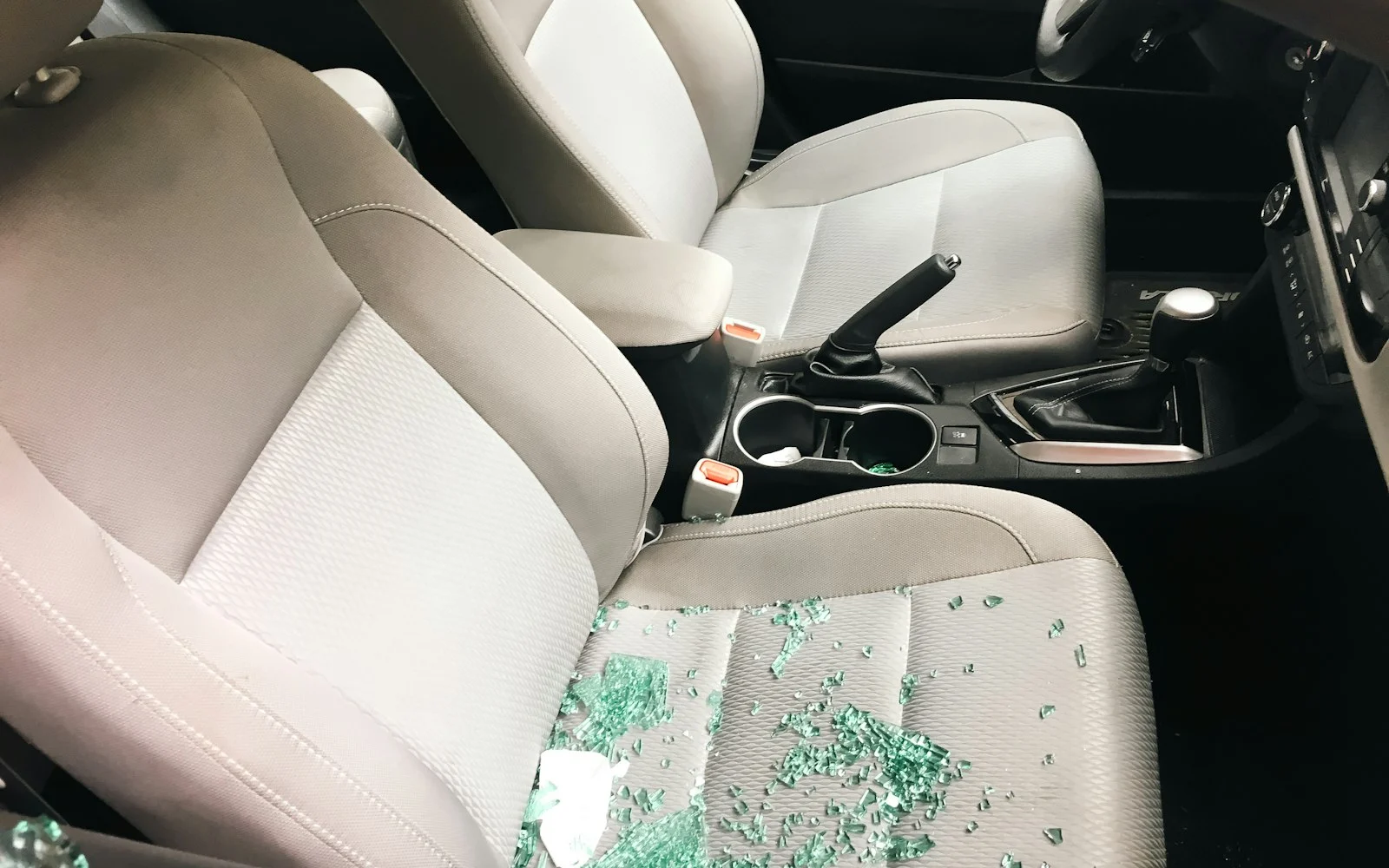
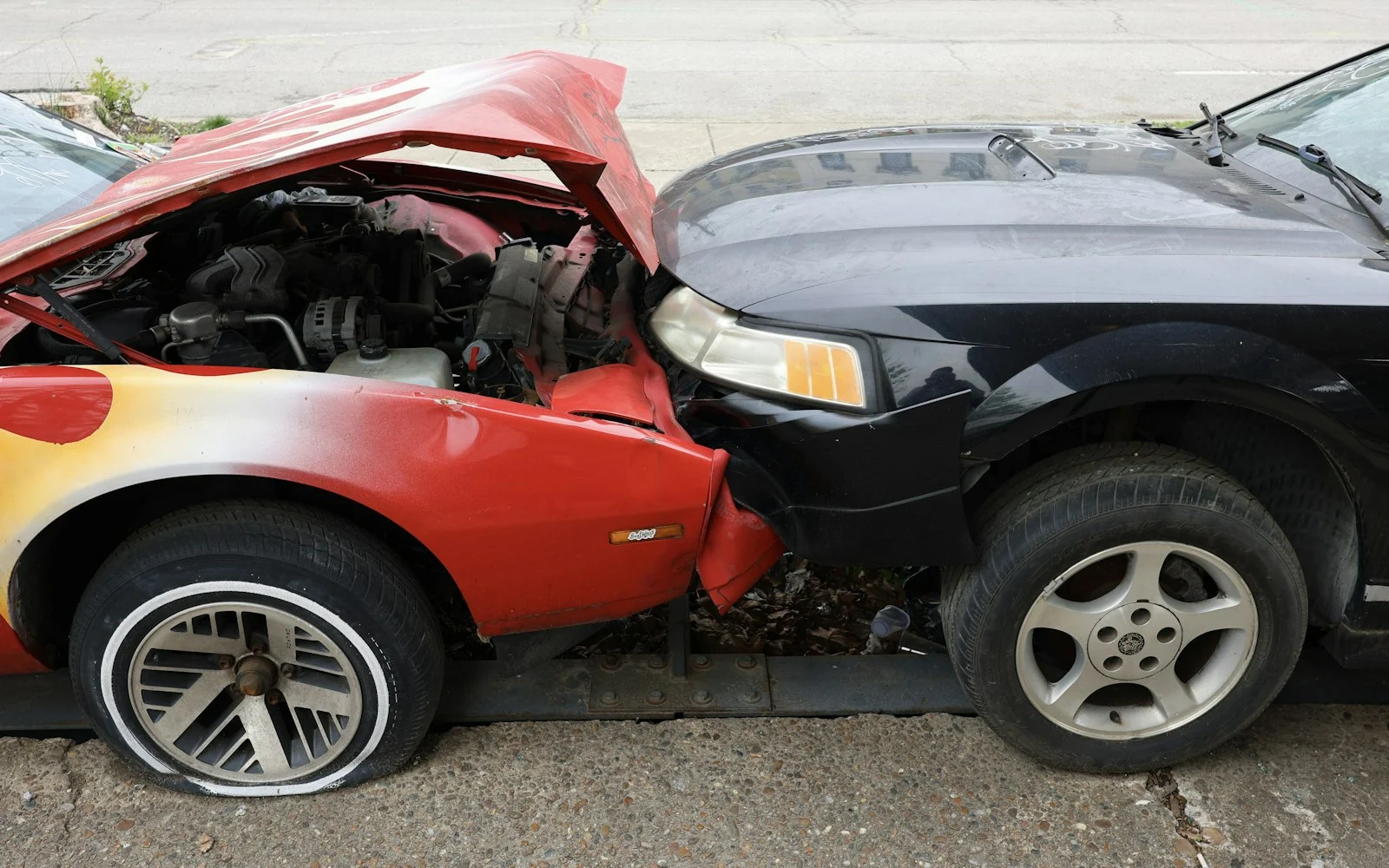
We’ll use made-up numbers for this one. Picture yourself backing a rented sedan out of a tight spot in a San Antonio hotel garage the Friday after Thanksgiving, scraping a concrete pillar hard enough to crumple the rear quarter panel, and the body shop bill landing at $2,600. Your $1,000 collision deductible comes off the top and your own policy picks up the other $1,600, which is the easy part. Then a letter from the rental company shows up in January with $450 for loss of use and a $150 admin fee on it, and whether anybody but you pays that last $600 comes down to a sentence or two in your policy that most folks have never read. (If the $1,000 itself makes you wince, our guide to choosing an auto insurance deductible in Texas goes through what changes when you go lower.)
Does my credit card cover rental car damage?
Maybe. A lot of cards include something, but it’s often secondary, which means it waits for your own auto policy to pay first and then picks up leftovers like your deductible and, now and then, some of those fees.
The fine print matters. You usually have to pay for the entire rental with that card and decline the rental company’s damage waiver. Many card benefits exclude certain vehicles, like pickups, large vans and high-end cars, and they may cap how long the rental can last or exclude some countries. Card coverage generally doesn’t include liability at all. Read the benefits guide before the trip, or call the number on the back of the card.
Should I buy the rental company’s collision damage waiver?
A collision damage waiver (CDW), or loss damage waiver (LDW), isn’t technically insurance. It’s an agreement in which the rental company gives up its right to charge you for damage to or theft of the car, as long as you follow the rental contract.
It usually makes sense if you don’t have collision and comprehensive on your own car, if your deductible is high and you’d rather not risk it, or if you’re renting for business and aren’t sure your personal policy applies. Some people buy it simply so a fender-bender on vacation never touches their own policy. That’s a reasonable choice.
If you have full coverage with a deductible you’re comfortable with, plus a credit card that adds secondary coverage, the waiver is often duplicate protection. Not always. But often.
What about supplemental liability and the other add-ons?
Supplemental liability insurance raises your liability limits while you’re driving that rental. If you carry the state minimum of 30/60/25, it can be worth considering, because a serious crash in an unfamiliar city can blow through those limits fast. If you don’t own a car and have no auto policy at all, the liability question becomes the most important one at the counter.
The other two on the tablet mostly duplicate things you may already have. Personal accident coverage is for injuries to you and your passengers, and your health plan plus any PIP on your auto policy cover a lot of the same ground. Personal effects coverage is for the stuff in the car, like the suitcase in the trunk, and your homeowners or renters policy generally handles that already, after its deductible.
What if I rent a car for work or drive into Mexico?
Business rentals are a gray area. Some personal policies limit coverage when the car is used for business, so check with your employer before the trip. Many companies have their own coverage for employees who rent, and the travel policy may spell out whether to accept or decline the waiver.
Mexico is a separate matter entirely. A U.S. auto policy generally doesn’t satisfy Mexican law, so you need liability insurance from a company licensed in Mexico. Many rental contracts also restrict or prohibit taking the car across the border, so read yours before you plan a run down to Monterrey.
What should you check before the trip?
Do this the week before, not at the counter:
- Find your declarations page (it’s usually in your insurer’s app or your email) and make sure collision and comprehensive are both on there. Write down the two deductibles.
- Call us and ask whether your policy pays loss of use, diminished value or administrative fees on a rental.
- Read your credit card’s rental benefit, and if you’re counting on it, put the whole rental on that card.
- Before you leave the lot, walk around the car and take photos or video of every scratch and ding, then do it again when you return it.
- Put every person who might drive on the rental agreement.
You can also see how rental-related options fit into a policy on our auto insurance page.
Frequently asked questions
Does rental reimbursement on my policy cover a vacation rental car?
No. Rental reimbursement helps pay for a rental while your own car is being repaired after a covered loss. It doesn’t apply to a car you rent for a trip.
What about a moving truck for a weekend move?
Be careful here. Plenty of personal auto policies exclude or limit the bigger box trucks, so a 26-foot truck may not be covered the way a sedan rental would be. Check before moving day, and if yours doesn’t apply, the rental company’s coverage is probably worth the money.
What if I don’t own a car but rent occasionally?
You have a couple of choices. A non-owner auto policy can provide liability coverage when you drive cars you don’t own, or you can buy coverage at the counter each time. Ask us which makes more sense for how often you rent.
Will a rental car claim affect my insurance?
It’s generally handled like any other claim on your auto policy, so it can show up in your claims history. How it affects your rate depends on the insurer and the circumstances of the accident.
Heading out for the holidays?
If you’d like to know exactly how your policy treats a rental before you travel, call (281) 716-5814 or stop in at 703 Malone St. in Tomball. You can also send us a message, and we’ll look it up for you.
This is general information, not a statement of coverage; your policy’s terms, limits, deductibles and exclusions control, and rental contracts and card benefits have their own rules.