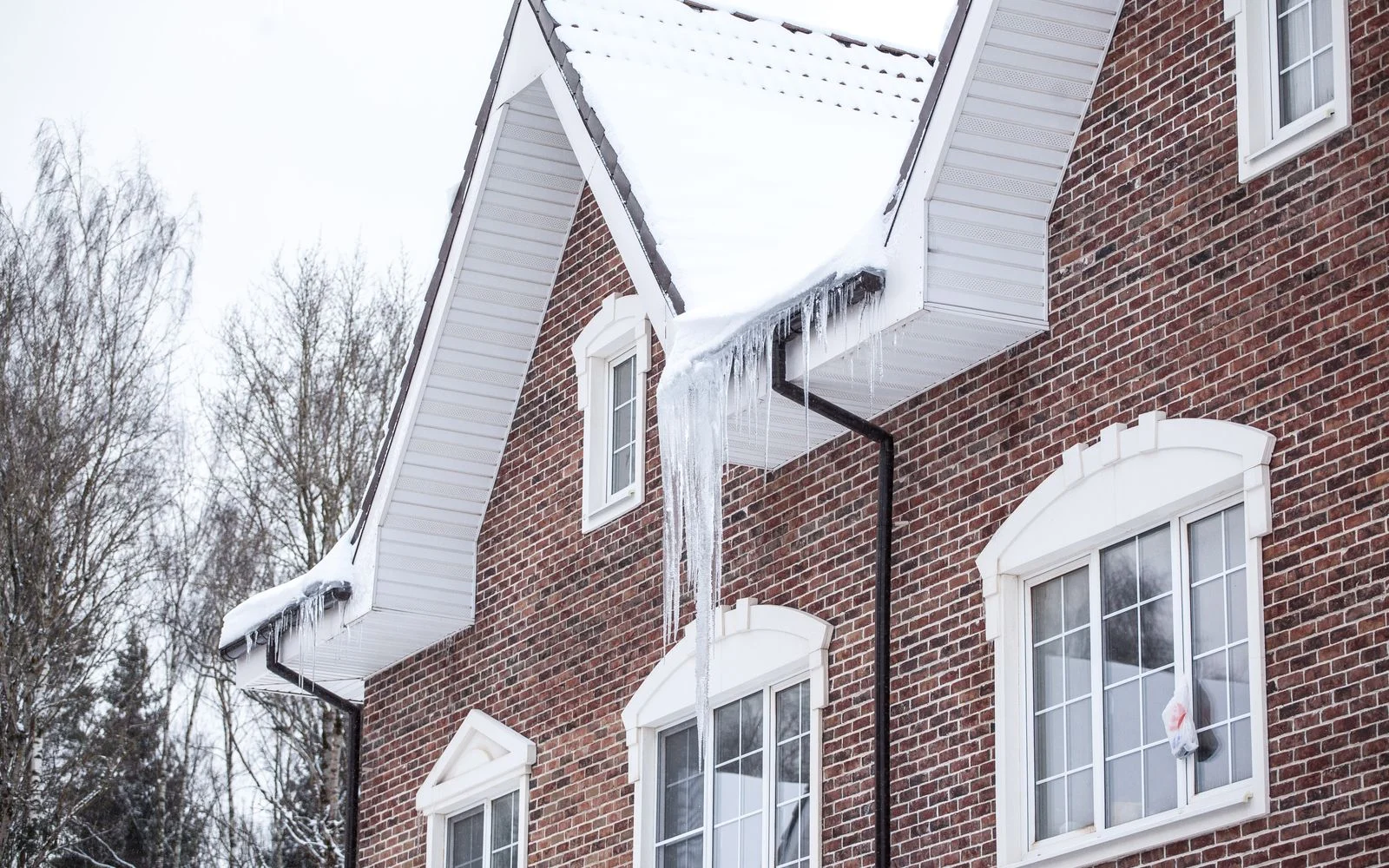
Most people around Tomball remember February 2021 better than they’d like to. Winter Storm Uri knocked out power across much of Texas for days, temperatures stayed below freezing far longer than anyone here is used to, and when things finally thawed, ceilings started dripping all over the Houston area. Plumbers were booked for weeks. So were drywall crews.
Does homeowners insurance pay for frozen or burst pipes? For the water damage, generally yes. The split pipe itself is a different story, and things get complicated in a hurry when the house was left without heat or when mold turns up behind the baseboards three weeks after the thaw.
Here’s how it usually works, and what to do before the next hard freeze rolls through.
Does homeowners insurance cover burst pipes in Texas?
In most cases, yes. Standard homeowners policies generally cover sudden and accidental water damage from plumbing, and a pipe that freezes and splits fits that description. That can include drywall, ceilings, flooring and cabinets under dwelling coverage, your furniture and belongings under personal property coverage, and hotel or rental costs under loss of use if the house isn’t livable for a while.
Water from a burst pipe isn’t flood, by the way. Flood means surface water coming in from outside, like an overflowing creek or a street that’s turned into a river, and that’s excluded on homeowners policies. Water from your own plumbing is a different kind of claim. Our breakdown of what a standard homeowners policy covers in Texas explains how those categories fit together.
Will insurance pay to fix the pipe itself?
Often not. Many policies treat the failed pipe as a maintenance item and pay for the damage the water caused rather than the plumber’s repair. Some will cover tearing out and replacing a wall or ceiling to get to the pipe. Exactly how your policy handles it depends on its wording.
That said, the pipe is usually the small part of the bill. A plumbing repair often runs a few hundred dollars. The water damage can run into the tens of thousands.
When can a frozen pipe claim be denied?
The big one is the freezing exclusion. Many policies exclude freeze damage when the home is vacant, unoccupied or unheated, unless you took reasonable care to keep the heat on or to shut off the water and drain the system. That matters most for a house on the market, a rental between tenants, a lake house or a long trip over the holidays.
Gradual leaks are another problem. A slow drip that’s been rotting the subfloor for months is generally treated as wear or neglect, not a sudden loss.
Uri raised harder questions, since millions of Texans lost power through no choice of their own. How “reasonable care” applies in a situation like that depends on the policy and the facts. If it ever happens to you, document everything you did to protect the house, with photos and times.
What does a burst pipe claim look like in dollars?
Take a made-up but realistic case. An attic pipe in a Spring two-story splits during a hard freeze and soaks the living room below. Ceiling drywall, insulation, wood flooring, a sofa and an area rug add up to $24,000. The plumber charges $450 to fix the pipe. The family spends two weeks in a hotel while the floors dry out and get replaced, which adds $2,500 in extra living costs.
With a deductible of 1% of a $300,000 dwelling limit, or $3,000, the insurer’s share of the water damage and hotel stay would be about $23,500, assuming everything falls within the policy. The $450 plumbing bill may land on the homeowner. And if mold shows up and the policy caps mold coverage, anything above that cap would too.
Does homeowners insurance cover mold after a burst pipe?
Up to a point. A lot of Texas policies either exclude mold or cap it at a fixed dollar amount, and some let you buy a higher cap by endorsement. Mold that grows out of a covered, sudden water loss, like that attic pipe in Spring, can be covered up to the cap. Mold from a bathroom with no exhaust fan, or from a supply line that dripped behind the dishwasher for a year, generally isn’t.
What helps most is drying things out fast. Wet drywall and carpet can start growing mold within 24 to 48 hours, which is why water mitigation crews show up with industrial fans and dehumidifiers the same day and sometimes cut the bottom two feet off the drywall right away.
How do you keep pipes from freezing in Texas?
Houston-area homes aren’t built with long freezes in mind the way homes up north are. Pipes in exterior walls, attics, garages and crawl spaces are the most exposed.
The night before a hard freeze, the routine around here goes something like this. The kitchen faucet on the outside wall gets left dripping, slowly, and the cabinet doors under the sinks stay open so heat from the house reaches the pipes. Foam sleeves from the hardware store go on any pipe you can see in the attic or the garage. The garden hose comes off the spigot and a foam cover goes on in its place. If you have a sprinkler system, the backflow preventer by the side of the house needs wrapping too, because that brass fitting sits fully exposed and is one of the first things to split.
Find your main water shutoff now, while it’s dry and daylight. In a lot of homes around here it’s in a ground box near the street or where the line enters the house, and you may need a meter key to turn it. They’re cheap at the hardware store and a lot harder to find the morning a freeze hits.
If you’re leaving town, keep the thermostat no lower than the mid-50s. For a longer trip, think about shutting off the water at the main and draining the lines.
What should you do if a pipe bursts?
- Shut off the water at the main valve right away.
- If water is near outlets, appliances or the electrical panel, turn off power to that area, but only if you can do it without standing in water.
- Take photos and video of everything before you start cleaning up.
- Move furniture and belongings out of the wet area and start drying with towels, fans and a wet/dry vac.
- Call a plumber, plus a water mitigation company for anything bigger than a small puddle.
- Report the claim promptly, and keep receipts for every repair, rented fan and hotel night.
Frequently asked questions
Is a burst pipe covered if I’m away on vacation?
Going to your in-laws in Lubbock for four days with the thermostat at 60 doesn’t change anything. Trouble starts with a long absence where the heat was off and the water was still on, because that’s exactly what the freezing exclusion and the vacancy wording are written for. Before a long winter trip, shut off the main and open a faucet to drain the lines.
Does renters insurance cover damage from a burst pipe?
A renters policy generally covers your belongings and extra living costs if the unit isn’t livable. Repairs to the building itself fall to the landlord and the landlord’s insurance.
Are outdoor pipes and sprinkler lines covered?
It varies a lot. Coverage for outdoor plumbing, irrigation systems and underground lines differs from policy to policy, so check yours, or ask us, before winter arrives.
Will a burst pipe claim raise my homeowners premium?
It might. Claims history is one of the factors many insurers weigh at renewal, as we explained in our post on rising homeowners premiums in Texas. That shouldn’t stop you from filing for real water damage, though.
Get ready before the next freeze
If you’d like to know how your policy treats water damage, mold and vacancy, call Reid & Associates at (281) 716-5814, come by 703 Malone St. in Tomball, or use our contact page. We’ll pull up your homeowners policy and go through it with you before the cold sets in.
General information, not a statement of coverage. Every homeowners policy has its own terms, limits, deductibles and exclusions, the policy language controls, and availability varies.