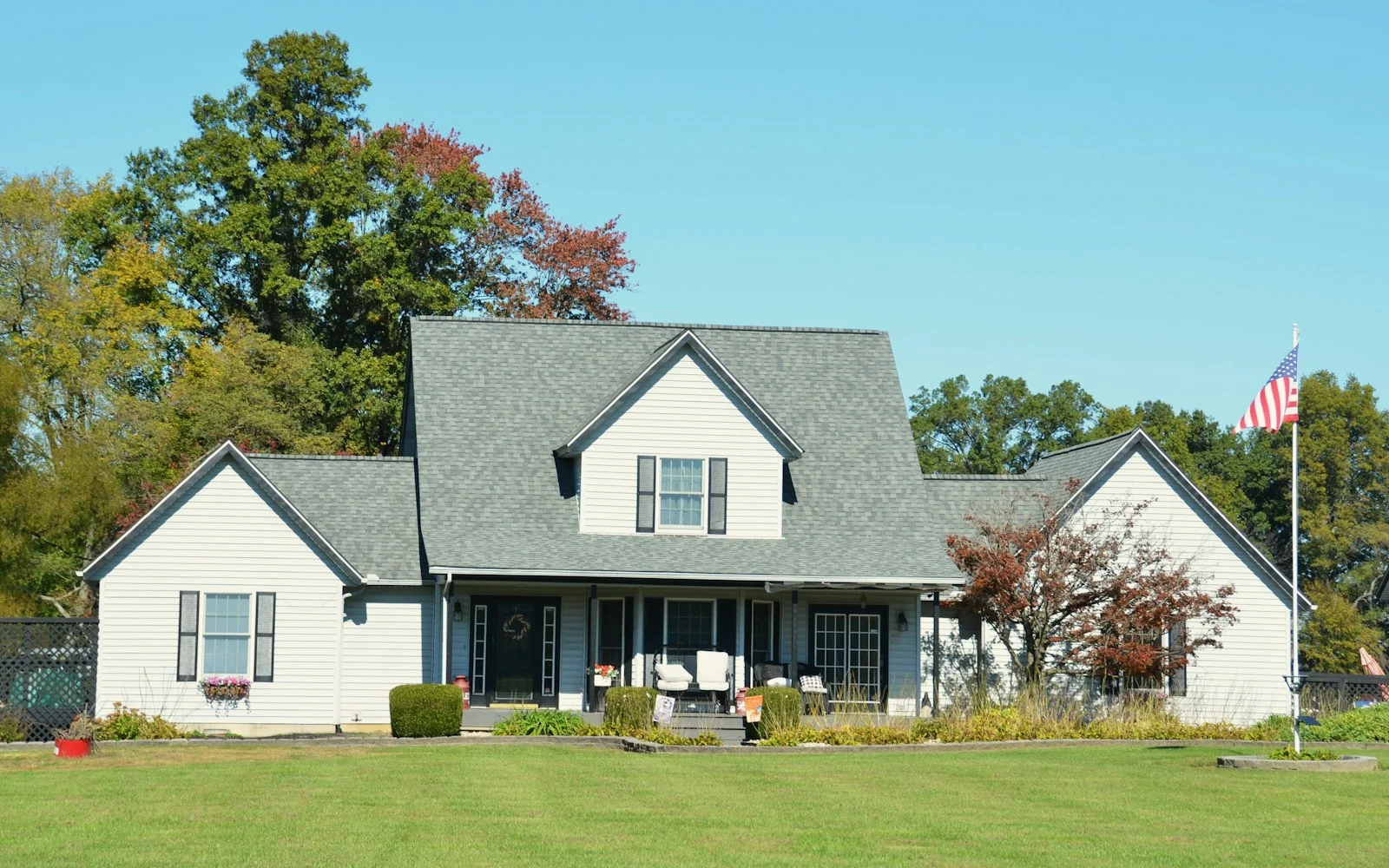
Pull out your declarations page. It’s usually the first page or two of your policy packet, and it’s the part almost nobody reads. Somewhere on it you’ll find a column of coverages, usually labeled with letters that vary a bit from one policy form to another, each with a dollar amount beside it.
Those lines are most of the answer. A standard Texas homeowners policy generally pays to repair or rebuild your house and the other structures on your lot, replace your belongings, cover extra living costs if a covered loss forces you out, and handle injury or damage claims other people bring against you. All of it is subject to deductibles, limits and a list of exclusions.
Flood is the biggest thing it leaves out. More on that below.
What are the six parts of a homeowners insurance policy?
Start with the house. Dwelling coverage, usually listed as Coverage A, pays to repair or rebuild the home itself and anything attached to it, like an attached garage or a built-in porch. This is the big number on the page, and it should reflect what it would cost to rebuild, which isn’t the same as what the house would sell for.
Other structures coverage handles things on the property that aren’t attached to the house: a detached garage, a backyard workshop, a storage shed, the fence. It’s often set as a percentage of your dwelling limit.
Then there’s everything inside. Personal property coverage pays for your furniture, clothes, electronics, kitchen gear and tools, generally at home and often when they’re away from home too. Some categories, like jewelry and firearms, carry special limits for theft.
Loss of use (some policies say additional living expenses) is the one people forget they have until a kitchen fire sends them to a hotel on 249 for six weeks. It picks up the reasonable extra cost of living somewhere else after a covered loss, so the hotel or short-term rental, and the gap between restaurant meals and what you’d normally spend at the grocery store.
The last two protect you from other people’s claims. Personal liability coverage responds if someone says you’re responsible for their injury or property damage. Your kid sends a baseball through the neighbor’s window; a contractor trips on a loose step and breaks a wrist. It generally includes legal defense, too. Medical payments to others covers smaller medical bills for a guest who’s hurt on your property, usually without anyone having to prove fault, and the limit is modest.
A quick made-up example, because this one surprises people. Your dwelling limit is $300,000, and other structures is set at 10%, so $30,000. A storm drops the big water oak in the back corner, and it takes out 150 feet of cedar fence and the shed on its way down. Both of those come out of the same $30,000 (after your deductible). Got a detached workshop out there too? You can see how fast that pot empties.
What’s the difference between HO-A, HO-B and HO-3 policies in Texas?
Texas has its own history of homeowners policy forms, and you’ll still see the names. The HO-A is the most limited. It covers only a specific list of named perils and generally pays actual cash value, so depreciation comes off the payout. A 15-year-old roof or a 10-year-old couch won’t bring much.
HO-B and HO-3-style policies are broader. They generally cover the house against a much wider range of causes and more often settle on a replacement cost basis, subject to the policy’s terms and any roof endorsements. Many insurers now file their own versions with their own names, so the label on your policy may not match these exactly.
Our take: if a policy is unusually inexpensive, check which form it is before you assume it’s the same as your neighbor’s.
What isn’t covered by homeowners insurance in Texas?
Homeowners insurance is built for sudden, accidental damage. It isn’t a maintenance plan, and most exclusions follow from that.
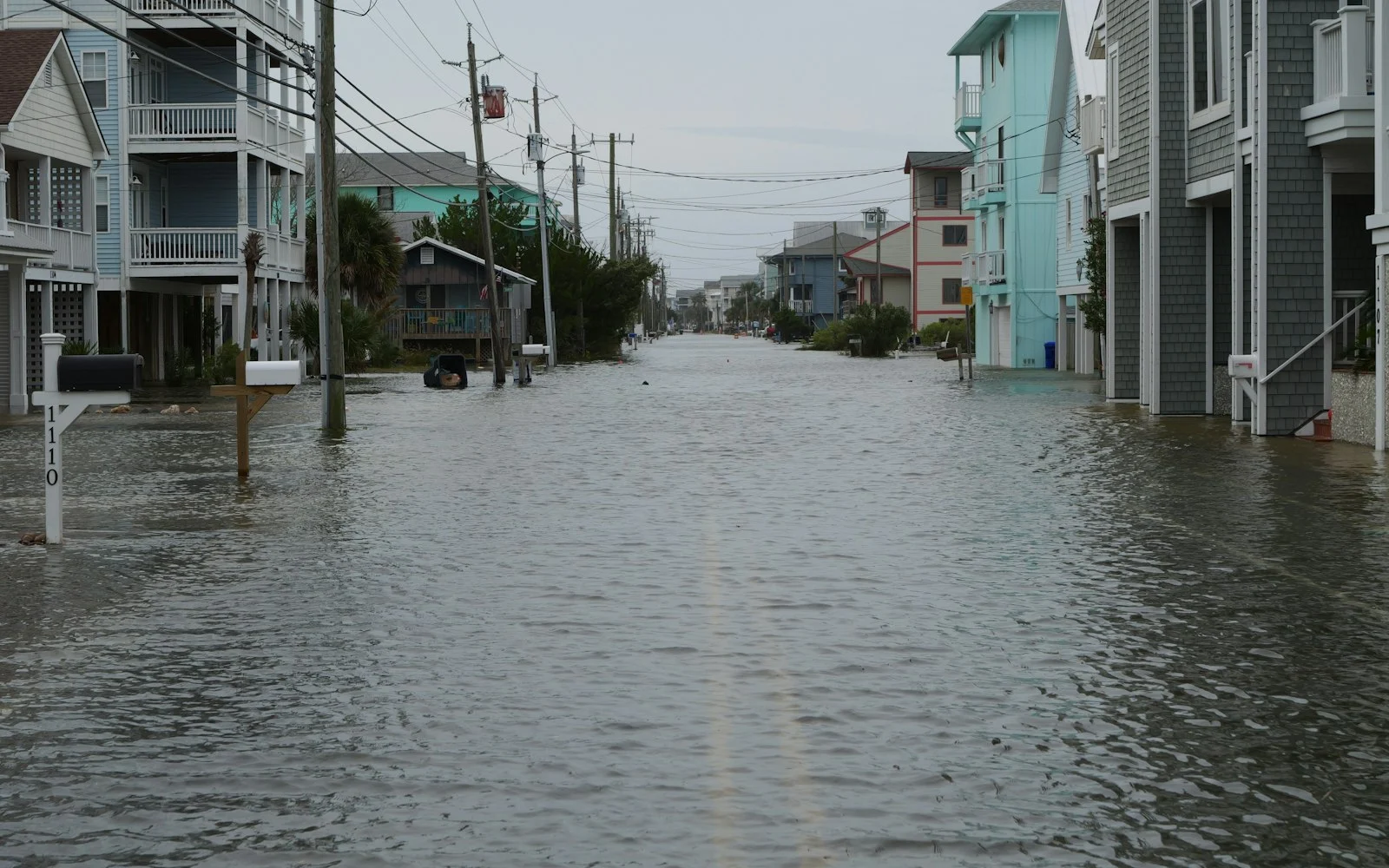
Flood is excluded on standard policies, which is why our post on whether you need flood insurance in Tomball is worth a read if you live near a creek. Earth movement is generally excluded as well. Wear and tear, rot and damage from poor maintenance aren’t covered. Foundation settling and cracking, which Houston-area clay soils make all too familiar, are typically excluded. Mold is often excluded or capped at a low limit. Termites, rodents and other pests don’t qualify either.
A rough rule of thumb: if the damage happened over months, it probably isn’t covered. If it happened in an afternoon, it might be.
How does the wind and hail deductible work?
Most Texas homeowners policies have two deductibles. One is a flat amount for most losses, often called the all-other-perils deductible. The other applies to wind and hail and is frequently a percentage of your dwelling limit instead of a flat number.
So say your dwelling limit is $280,000 and your wind and hail deductible is 1%. That’s $2,800 out of your pocket on a hail claim, compared with, say, a $1,000 deductible for a kitchen fire. Our article on what homeowners insurance usually covers after a Texas storm walks through how storm claims generally play out. Check your percentage now, while it’s quiet. March is a bad time to find out.
Do I need TWIA insurance in Tomball?
No. TWIA, the Texas Windstorm Insurance Association, writes wind and hail coverage along the coast, in designated areas where private coverage can be hard to find, and Tomball, Spring, Magnolia and Cypress are well outside that territory. Up here, wind and hail claims (Beryl’s included) generally run through your regular homeowners policy and its wind and hail deductible.
How much homeowners coverage do you need?
Set the dwelling limit to the cost of rebuilding, not the purchase price or the appraisal, and keep in mind that construction costs have climbed. Our post on why homeowners insurance has gone up in Texas explains how automatic inflation adjustments work. For personal property, walk through the house with your phone and record a quick video inventory. It makes the number feel real and makes a claim much easier later.
On liability, the default limit is often lower than people expect, especially for households with a pool, a trampoline or a teenage driver. Ask us what higher limits look like. You can also read more about homeowners insurance in Tomball on our site.
Frequently asked questions
Is homeowners insurance required in Texas?
Not by state law. Your mortgage lender will almost certainly require it until the loan is paid off. After that it’s your call, though most people with a paid-off house keep it, since the house is often their biggest asset.
If my laptop gets stolen on a trip, is that covered?
In a lot of cases, yes. Personal property coverage generally goes with your stuff when you travel, so a laptop lifted from a hotel room in San Antonio would usually be a homeowners claim, subject to your deductible. Some policies put a lower limit on things away from home, so look before a big trip.
Are jewelry and firearms fully covered?
Not always. Many policies cap theft of jewelry, firearms and some other valuables at a special limit that can be far below what the items are worth. Scheduling individual pieces on your policy, usually with an appraisal, is how people get fuller coverage.
Does homeowners insurance cover my car if a tree falls on it?
No. Damage to your car from a falling tree generally falls under the comprehensive part of your auto policy. The homeowners policy may still help with removing the tree if it also hit a covered structure.
Does homeowners insurance cover a home-based business?
Only in a limited way, if at all. Business property limits are usually small, and business liability is generally excluded. If clients come to your house or you keep inventory there, talk to us about coverage built for that.
Questions about your own policy?
Bring your declarations page by 703 Malone St. in Tomball, or call (281) 716-5814, and we’ll walk through every line on it with you. You can also get in touch online and pick a time that works.
This is general information and not a statement of coverage; the terms, limits, deductibles and exclusions in your own policy control, and forms and availability vary by company.