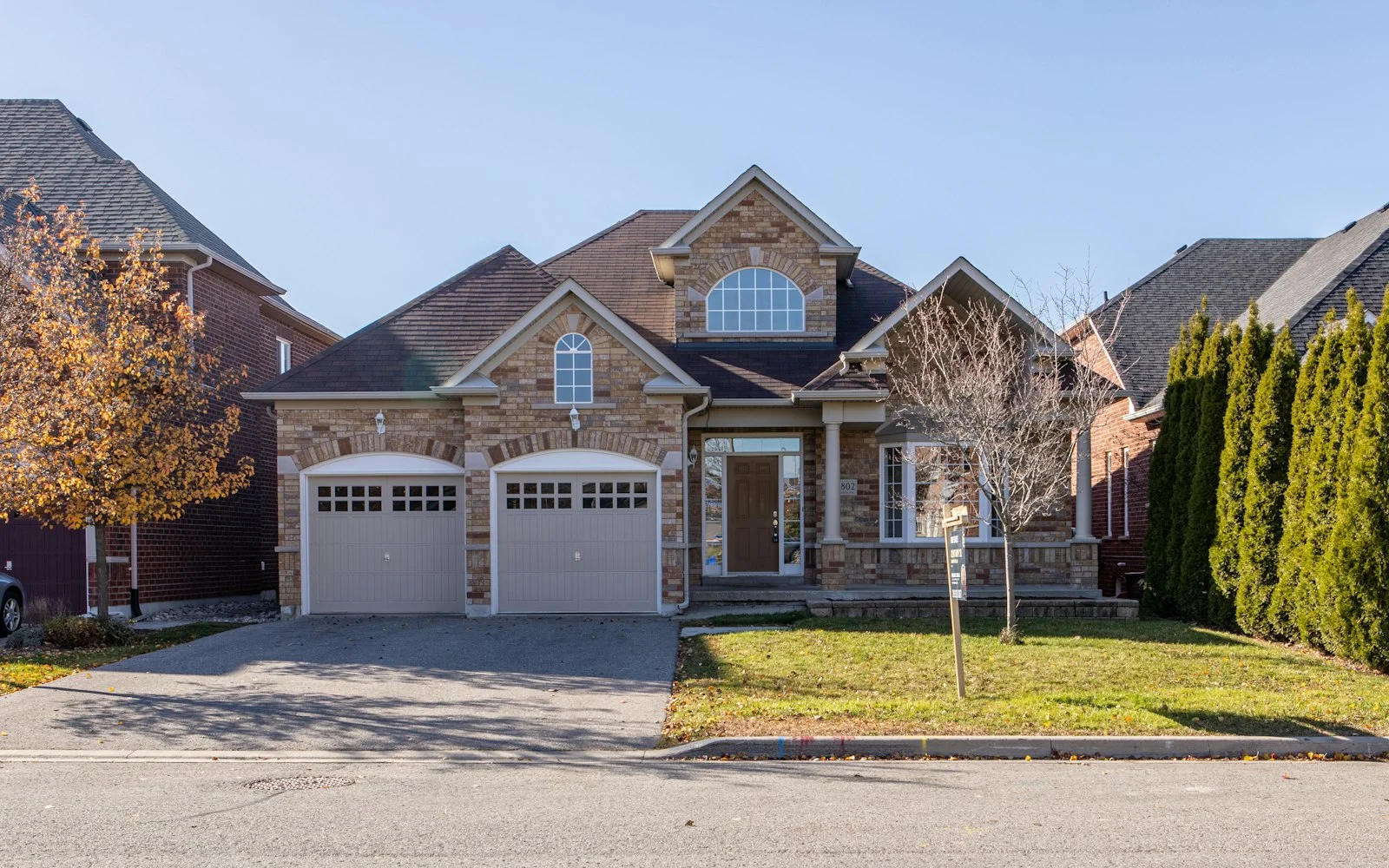
A lot of people open a renewal notice, see a bigger number and assume they did something wrong. Filed one claim too many. Got flagged somewhere. Let a payment slide.
Usually, that’s not it. Most Texas homeowners have watched their premiums climb over the last few years even with a clean claims record, mainly because houses cost more to rebuild and storms here have cost insurers enormous sums. Your own roof, claims and credit can push the number higher, but the broad increase is bigger than any one household.
You’re far from alone in being frustrated by it. In the Texas Department of Insurance’s 2026 Speak Up Texas survey, affordability and rate increases were the top concern, showing up in 43.7% of homeowner responses.
What’s driving homeowners insurance increases in Texas?
Weather, more than anything else. If you’ve lived in Tomball through a few springs you’ve seen it: a hailstorm rolls through on a Tuesday afternoon, and by Saturday there are roofing company yard signs up and down every street off Spring Cypress. Each of those roofs is a claim some insurer is paying.
And 2024 didn’t help. Plenty of us remember the plywood over the blown-out windows downtown after the derecho that May, and the trees lying across fences all over the northwest side. Then Beryl showed up in July. Most people around here remember Beryl for the days without air conditioning, but it tore up its share of roofs too. Insurers paid for all of it, and that history goes into the math for future rates whether you filed or not. (If you did, our article on what homeowners insurance usually covers after a Texas storm walks through how those claims generally work.)
Then there’s reinsurance, which you’ll never see on a bill. Insurers buy their own coverage from reinsurers so a single catastrophe can’t sink them, and after a few costly disaster years the reinsurers raise their prices too. That cost lands in your renewal sooner or later.
Why does it cost more to rebuild my house?
Your dwelling limit has nothing to do with what the house would sell for. It’s supposed to be the cost to rebuild it from the slab up, and that number has climbed, since lumber and shingles and drywall and the people who put it all together cost more than they did a few years ago. Right after a big storm it gets worse for a while, because every roofer in the county has a waiting list.
A lot of policies handle that by raising the dwelling limit a little at each renewal with an automatic inflation adjustment, and since the premium is tied to the limit, it goes up too.
Here’s a made-up example. Last year your dwelling limit was $300,000, and this year the inflation adjustment bumped it to $318,000. That’s $18,000 of extra coverage you never asked for, and I understand why it’s irritating. Then again, ask a contractor what it costs to frame and roof a house in Harris County right now. The bump also moves a percentage wind and hail deductible; at 2%, yours just went from $6,000 to $6,360.
I’d be careful about cutting the dwelling limit just to get the bill down. If the house burns and the limit is too low, you pay the difference. And if you’ve added square footage or finished a big project, the limit may need to go up; our post on telling your home insurer about a remodel explains why.
Does the age of my roof affect my homeowners insurance?
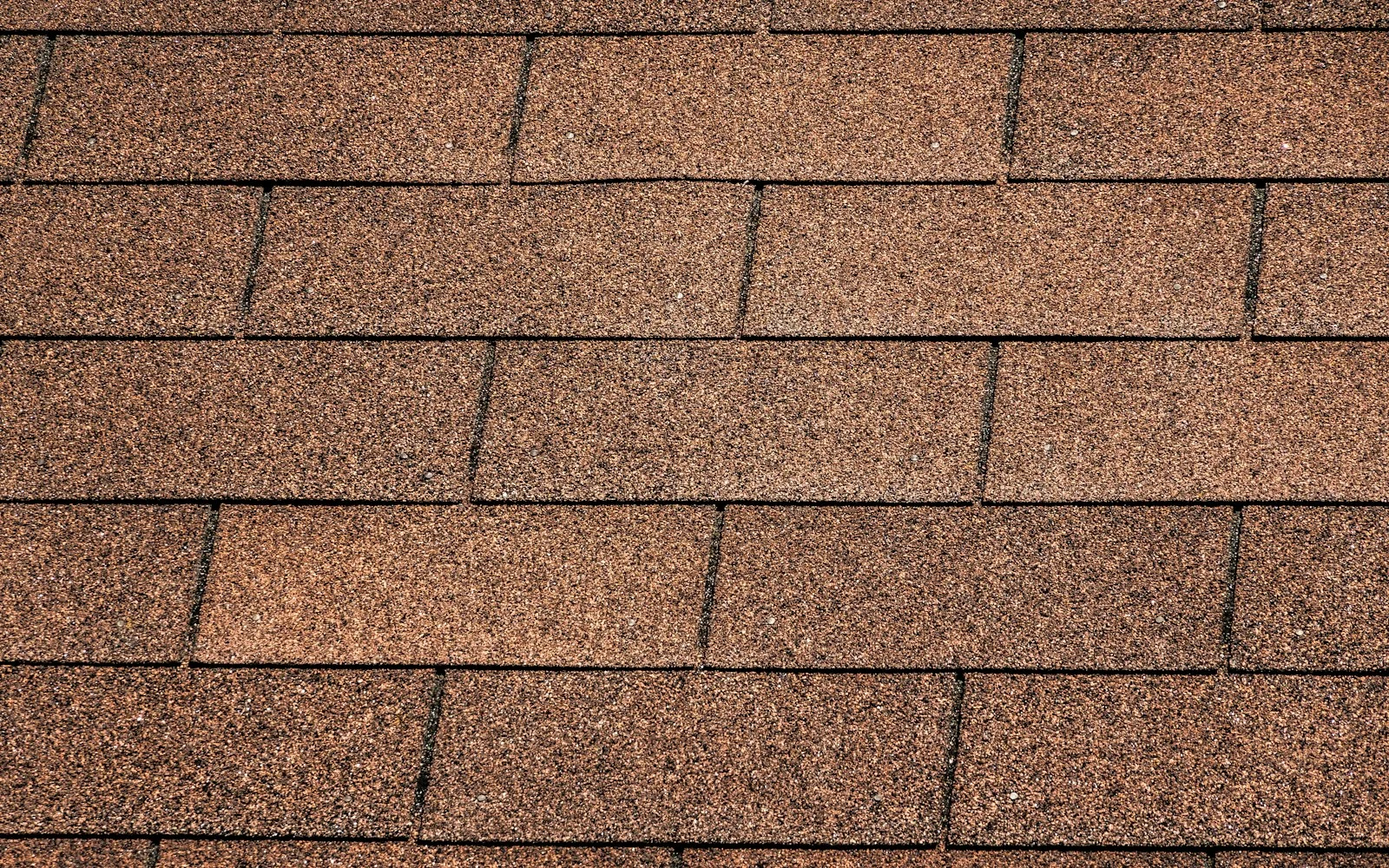
Quite a bit. A 20-year-old roof and a 2-year-old one don’t take a hailstorm the same way, and insurers know it, so they look at age, material and condition. On older roofs some policies only pay actual cash value on a claim, meaning depreciation comes out of what you get.
If yours is close to needing replacement anyway, a new roof can change how the house is rated, and some insurers treat impact-resistant shingles differently. Give us a call before you sign with a roofer so we can tell you how it would affect your policy. Much easier to plan it that way than to find out after the job’s done.
Can a past claim raise my homeowners insurance?
It can. Insurers pull the claims on your policy, and usually the claims history of the house itself, because those records follow the address and not the owner. A single weather claim may not move things much. Three in four years is another matter.
Filing when you need to is the whole point of having the policy. Still, if the damage barely clears your deductible, call us first and we’ll go over the estimate together before it turns into a claim.
Does my credit affect home insurance in Texas?
Texas lets insurers use credit-based insurance scores as one rating factor, inside limits set by state law. A newer law, SB 1644, says insurers that use credit have to re-review it at least once every three years for policies issued or renewed after January 1, 2026. Paid down a pile of debt since you bought the policy? Ask whether your information has been updated.
What are my rights if my insurer raises my rate or drops me?
More than you might think. Under HB 2067, starting January 1, 2026, an insurer has to put its reasons in writing when it declines, cancels or nonrenews your policy. That letter won’t reverse a nonrenewal. It does tell you what you’re up against, and sometimes it points at something you can fix.
Got a complaint about how a company handled your policy? The TDI Help Line is 800-252-3439, and the Texas Department of Insurance has consumer guides on homeowners coverage too.
What can you do about a higher homeowners premium?
Nothing about the weather or the reinsurance market, sadly. A few things are in your hands, though.
Start with the deductible. Raising the all-perils deductible, or going to a bigger wind and hail percentage, generally takes something off the premium. Just pick a number you could actually cover the week after a hailstorm, because a deductible that only looks good on the quote isn’t doing you any favors. After that, think about the roof if it’s due anyway, and then sit down with us for an honest coverage review of your limits, the endorsements you’re paying for and anything that’s missing.
And yes, shop around. A second quote at renewal is normal and nobody’s feelings get hurt. Just compare the same coverage, because a lower price with an actual-cash-value roof settlement or a much bigger deductible is a different policy. Here’s more on how we approach homeowners insurance in Tomball.
Frequently asked questions
A few more renewal questions that land on our desk every fall.
Why did my neighbor’s premium go up less than mine?
Could be the roof, the claims history, credit or the coverage each of you picked. Two houses that look like twins from the street might be insured by different companies on different policy forms, so comparing premiums over the back fence doesn’t tell you a whole lot.
Do I have to buy auto insurance from my home insurance company?
No. Under SB 213, an insurer can’t require you to buy your auto policy from it in order to get homeowners coverage. If you’d like to see both policies together, ask us which discounts and options apply to you.
I’ve never filed a claim. Why did my rate still go up?
Because your rate isn’t really about you alone. It’s built off what the insurer expects to pay for a whole group of similar houses in your area, and after a year like 2024 that number went up for the group. I know that feels unfair when you’ve paid for years without calling once. A clean record helps; it just can’t outweigh the neighborhood.
Should I lower my dwelling limit to cut my premium?
I’d rather you didn’t, at least not by guessing. The dwelling limit is meant to equal what a rebuild would cost (the lot itself doesn’t need insuring), and if a fire takes the house, a short limit comes straight out of your pocket. Think it’s too high? Ask us to run a rebuild-cost estimate and go from there.
Want a second opinion on your renewal?
Call Reid & Associates at (281) 716-5814 or drop by 703 Malone St. in Tomball with your renewal notice, and we’ll go through what changed line by line. You can also send us your questions online.
This is general information and not a statement of coverage or a promise of any rate; your policy’s terms, limits, deductibles and exclusions control, and options vary by company.