“If I’m the one who left the burner on, does my insurance still pay?”
Agents hear some version of that every November, usually from someone hosting for the first time. The answer is usually yes. Fire is one of the core perils a Texas homeowners policy covers, and in most cases it doesn’t matter that the fire started with your skillet, your distraction or your uncle’s very confident turkey-frying plan.
What changes the outcome is how big the mess gets, what your deductible looks like and a few policy conditions that have nothing to do with cooking.
Why is Thanksgiving such a big day for kitchen fires?
The National Fire Protection Association has said for years that Thanksgiving is the peak day for home cooking fires in the U.S. Anyone who’s hosted can guess why. Every burner is going. The oven’s been on since seven in the morning. There are kids underfoot, a game on in the next room and somebody asking where the extra chairs went.
Turkey fryers get the viral videos. Plenty of holiday fires start with nothing fancier than a pan of oil left alone for a few minutes or a dish towel too close to the flame.
Does homeowners insurance cover a fire you started yourself?
Generally, yes. Insurance is built for accidents, and a grease fire you didn’t mean to start is an accident. Carelessness isn’t the same thing as intent. The fires that get denied are the ones set on purpose, along with a few situations driven by policy conditions, like a house that’s sat vacant for a long stretch.
A covered kitchen fire usually reaches several parts of the policy at once. Dwelling coverage pays to repair the structure: cabinets, countertops, drywall, wiring, the range hood that warped. Personal property coverage handles your belongings, and since smoke travels, that can mean curtains, rugs and clothes two rooms away. If the house isn’t livable during repairs, loss of use (also called additional living expenses) helps with the extra cost of a rental and meals out, above what you’d normally spend.
If a guest gets burned, your personal liability and medical payments to others coverage may come into play too. Our walk-through of what a standard homeowners policy covers in Texas explains each of those pieces.
What does a kitchen fire claim look like in real numbers?
Say a pot of oil flares up in a Tomball two-story, catches the upper cabinets and fills the downstairs with smoke before anyone gets a lid on it. A rough, purely hypothetical tally: $30,000 to rebuild the kitchen, $6,000 to clean smoke out of the rest of the house, $5,000 in damaged belongings and $7,000 in extra living costs for the six weeks the family spends in a rental.
Add it up and you’re at $48,000. Now the deductible. Plenty of Texas policies use a percentage, so let’s say 1% of a $300,000 dwelling limit, which is $3,000 out of the family’s pocket. The insurer would pick up roughly $45,000, assuming it all fits inside the policy’s terms and limits.
Notice the stove barely registers. The money goes to everything around it. Kitchen work also takes time when cabinet shops and contractors are booked out, which is why loss of use matters more than people think. If you’ve redone the kitchen in the past few years, check that your dwelling limit kept up; our post on telling your insurer about a remodel explains why.
Is a turkey fryer fire covered by insurance?
Usually, under the same rules as any accidental fire. If a fryer tips and the flames reach the house, dwelling and personal property coverage would generally respond.
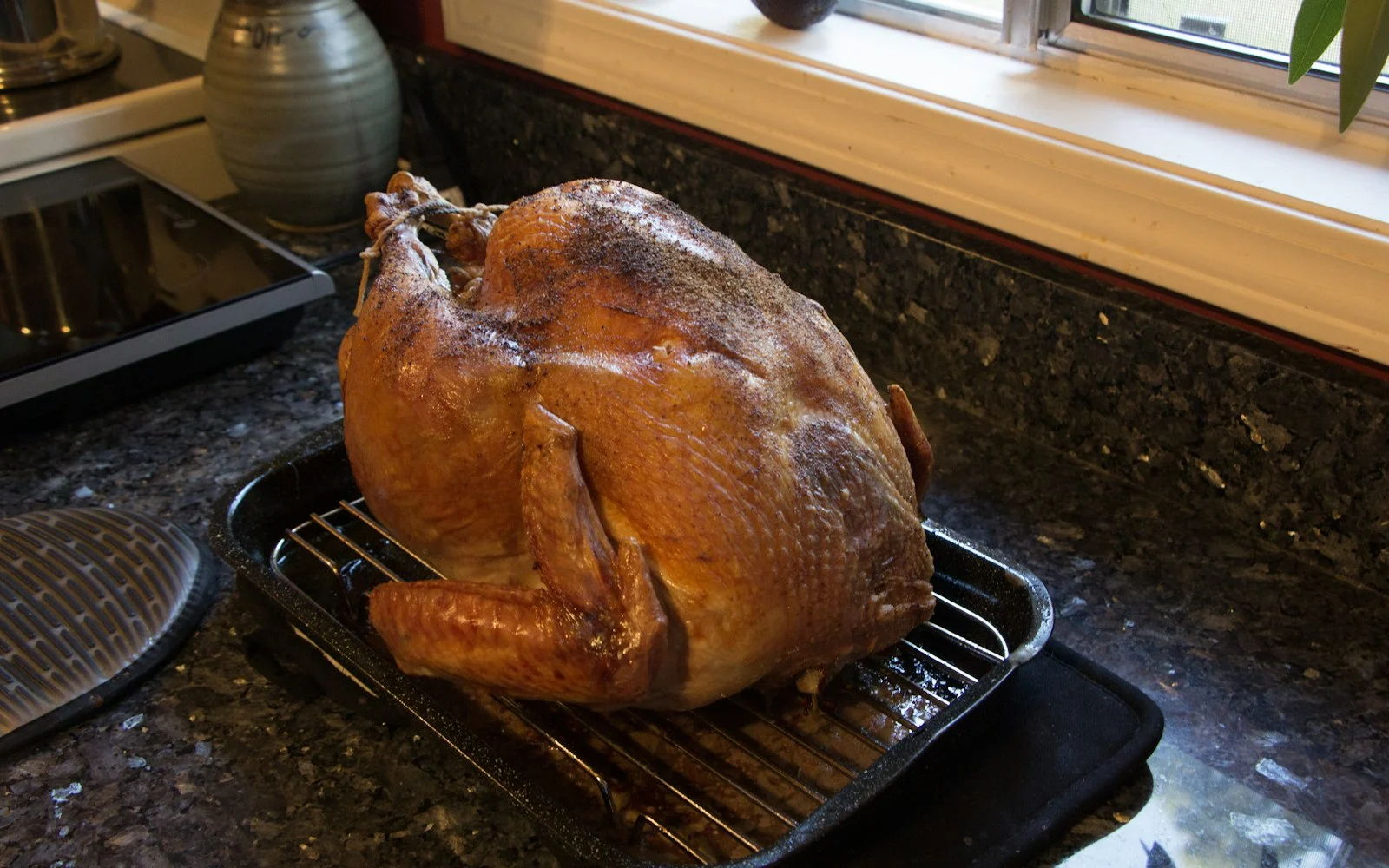
None of that makes a fryer fire any fun, and the ones that end up on the evening news nearly all start the same way: somebody lowers a bird that’s still icy in the middle into a pot filled too high, the ice hits 350-degree oil and turns to steam, and the oil boils over right onto the propane flame. If you fry a turkey in your driveway every year without a problem, you probably already do most of what keeps it that way. The fryer sits on flat concrete or bare dirt, a good distance from the house, the fence and the eaves, and it never gets dragged into the garage or under the patio cover just because it started drizzling. The bird is fully thawed and patted dry, and the oil level was figured out the night before by dropping the turkey into the empty pot, covering it with water and marking the line. When it’s time, the burner goes off while the turkey goes in slowly, then back on, and somebody stays right there the whole time with the kids and the dog well back and a real fire extinguisher (not the garden hose) within reach.
What should you do if a grease fire starts on the stove?
Don’t throw water on it. Water hitting burning oil sends the fire outward, often toward you and up into the cabinets.
Turn off the burner if you can reach it safely. Slide a metal lid or a cookie sheet over the pan and leave it there until everything has cooled, because lifting it to peek gives the fire air again. Baking soda works on a very small flare-up. Flour doesn’t, so leave it in the canister. If something catches in the oven, turn it off and keep the door shut.
If the fire’s spreading, get everyone out, close the door behind you and call 911 from the yard. Nobody goes back in for the pie.
What should you do after a kitchen fire to support your claim?
Once the fire department clears the house, take photos and video of every room before anything gets cleaned or hauled off, including smoke residue on ceilings and walls. Hang on to damaged items until the adjuster has seen them or tells you they can go. If a window needs boarding up or a hole needs covering, do it (most policies expect you to prevent further damage) and keep every receipt. Same for the hotel and the takeout, and mention any lingering smoke smell when you call it in, since soot in the ductwork tends to show itself the first cold night the heater runs.
Will a fire claim raise my homeowners insurance?
It can. Each insurer has its own rating rules, and claims history is one of the factors many companies weigh at renewal, which we touched on in our look at what pushes Texas homeowners premiums up.
A scorched backsplash and a ruined pan? I’d probably just pay for that yourself. A kitchen that needs gutting is a different story, and that’s what you’ve been paying premiums for. Not sure which side of the line you’re on? Call before filing and we’ll put the estimate next to your deductible.
Frequently asked questions
Does renters insurance cover a kitchen fire?
A renters policy generally covers your belongings, extra living costs if you have to move out for a while and your liability if a fire you cause damages the landlord’s property or a neighbor’s unit. The building itself is the landlord’s to insure.
What if a guest starts the fire at my house?
Damage to your home is usually handled under your homeowners policy no matter who was holding the spatula. Your insurer might try to recover its costs from someone else, but that’s between the companies.
Is smoke damage covered even if the flames stayed in one room?
Usually. Smoke from a sudden, accidental fire is generally part of the covered loss, so cleaning or replacing smoke-damaged items elsewhere in the house can be included. Smoke that builds up gradually over time is treated differently.
Do I need a fire department report to file a claim?
Not always, but call 911 for any fire you can’t smother in a few seconds. The report also gives your insurer an independent record.
Hosting this year?
Before the relatives arrive is a good time to check your deductible and limits. Call Reid & Associates at (281) 716-5814, stop in at 703 Malone St. in Tomball, or drop us a note online, and we’ll pull up your homeowners coverage with you. Happy Thanksgiving.
This post is general information and not a statement of coverage. How any claim is handled depends on your policy’s terms, limits, deductibles and exclusions, and coverage availability varies.